By Maria Flerida S. Maloles, DBA, MBA — Director of Admissions, AURA Published September 2026 Every year, families touring high schools ask us some version of the same question: is the International…
Published September 2026
Every year, families touring high schools ask us some version of the same question: is the International Baccalaureate actually better than Advanced Placement, or is it just different?
The honest answer is that they are built for different purposes, and the better choice depends on your student. But that answer is too vague to act on, so this guide lays out the specifics — how each program is structured, what each costs, how selective universities read them, and exactly how many college credits each earns at the University of California and California State systems.
The short answer
AP is a collection of individual college-level courses. A student picks the subjects they want, takes a three-hour exam in May, and each exam stands alone. You can take one AP course or eleven.
The IB Diploma Programme is a single integrated two-year curriculum. Students take six subjects across required groups, plus three core components, and either earn the full diploma or they don’t.
The practical difference: AP rewards depth in chosen subjects and flexibility. IB rewards breadth, writing, research, and sustained work across two years. Selective universities respect both, and neither is a shortcut.
Side-by-side comparison
| IB Diploma Programme | Advanced Placement | |
|---|---|---|
| Structure | Integrated two-year program, grades 11–12 | Individual courses, any year |
| Commitment | All-or-nothing diploma, or individual certificates | One course at a time |
| Subjects | 6 required groups: language and literature, language acquisition, individuals and societies, sciences, mathematics, arts | Student’s choice from roughly 40 subjects |
| Levels | Higher Level (HL) and Standard Level (SL); diploma requires at least 3 HL | One level per subject |
| Required core | Theory of Knowledge, Extended Essay (4,000 words), Creativity/Activity/Service | None |
| Grading | 1–7 per subject; 45 points maximum; 24 needed to pass | 1–5 per exam |
| Assessment | External exams plus internal assessments, oral exams, and coursework graded across two years | Single exam in May, some courses with a performance task |
| Second language | Required | Optional |
| Global average | 30.88 of 45 points; 82.61% pass rate in 2026 (Tes) | 24.8% of US public high school graduates scored 3+ on at least one exam (College Board) |
| Availability | 1,924 IB schools in the US, 89% of them public (IB Organization) | 1.3 million students in the class of 2025 took at least one exam (College Board) |
How the curriculum actually differs
The clearest way to see the difference is to look at what a student produces.
An AP student in AP Biology spends a year on biology content, then sits a standardized exam. Every AP Biology student in the country takes the same exam on the same content. That standardization is a genuine strength — it makes the score easy for universities to interpret, and it means a motivated student can prepare independently.
An IB Diploma student takes biology alongside five other subjects that must include a second language, a humanities subject, and mathematics. On top of that, they write a 4,000-word Extended Essay on a research question of their own choosing, complete a Theory of Knowledge course examining how we know what we claim to know, and log Creativity, Activity, Service hours outside the classroom.
That Extended Essay is often the component families underestimate. A student who has independently researched, structured, and defended a 4,000-word argument before starting college has done something closer to undergraduate work than almost anything else available in high school. Students consistently tell us it was the hardest and most useful thing they did.
IB also assesses differently. AP concentrates nearly everything into one exam day. IB spreads assessment across internal assessments, oral examinations, lab portfolios, and final exams over two years. Students who struggle with single high-stakes testing often do better under IB. Students who thrive under exam pressure sometimes prefer AP.
College credit in California: the numbers
This is where the comparison gets concrete, and where the answer differs by system.
University of California
UC treats the IB diploma as a whole and also rewards individual exams:
- Complete the IB diploma with a score of 30 or above: 6 quarter units, or 4 semester units, toward the degree (UC Admissions)
- Score 5, 6, or 7 on a designated Higher Level exam: 8 quarter units, or 5.3 semester units, per exam. A student with three qualifying HL exams typically earns around 24 quarter units, or 16 semester units, on top of the diploma credit (UC Admissions)
- AP scores of 3 or higher on designated exams also earn credit toward graduation (UC Admissions)
One detail that catches families off guard: UC grants credit only for IB Higher Level exams. Standard Level exams earn no credit, though a 6 or 7 on Standard Level English A satisfies the Entry Level Writing requirement (UC San Diego). This is a real argument for taking Higher Level in subjects a student is strong in.
A student who completes the diploma with a 32 and earns 6s on three HL exams can arrive at a UC campus with roughly 30 quarter units — close to a full year of standing. Credit is awarded once, so an IB and AP exam covering the same content will not stack (UC Admissions).
California State University
CSU accepts both, but unit amounts and passing scores are set by CSU faculty and applied campus by campus, so totals vary more than at UC. Check the specific campus catalog rather than assuming (CSU).
For IGETC certification, a 3, 4, or 5 on an AP exam or a 5, 6, or 7 on an IB Higher Level exam can earn course credit (UC Admissions).
Outside California
Most public and nonprofit US colleges, plus institutions in more than 65 other countries, grant credit or advanced placement for qualifying AP scores (College Board). IB recognition is broad in the US and stronger than AP’s internationally — IB was designed for university entry worldwide, and it is directly recognized by admissions systems across Europe, Asia, and Latin America. If your student may apply abroad, this asymmetry matters.
What each program costs
Exam fees are a smaller factor than most families expect, but they are worth knowing.
| Amount | |
|---|---|
| AP exam, US schools, on-time order for 2026–27 | $99 per exam (College Board) |
| AP exam, outside the US | $129 per exam |
| AP late order or late testing | +$40 per exam |
| AP fee reduction for students with financial need | −$37 per exam |
| IB Diploma Programme candidate subject fee | $123 per subject (IB Organization) |
| IB Theory of Knowledge and Extended Essay, for diploma candidates | No additional fee (IB Organization) |
In practice, a full IB Diploma student sitting six subjects pays roughly $738 in subject fees across the two years, while a student taking six AP exams pays about $594. Close enough that cost should not decide it. Schools also pay annual IB programme fees that families never see directly.
Do colleges prefer one over the other?
Admissions officers will tell you, consistently, that they evaluate students in the context of what their school offers. A student who took the most demanding path available to them is viewed favorably whether that path was IB, AP, or dual enrollment. No selective university penalizes a student for attending an AP-only school, or an IB-only one.
That said, two things are fairly and factually worth noting.
The full IB Diploma is a visible signal of breadth. An applicant who completed it demonstrably took a language, a science, a humanities subject, and mathematics through grade 12, and wrote a substantial research paper. An AP transcript can show equal rigor, but the reader has to assemble that picture from individual course choices.
The outcome research is encouraging, though it comes from the IB itself and should be read with that in mind. In a study of 51,609 US students who graduated high school in 2016, all Diploma Programme graduates enrolled in postsecondary education at 74%, and diploma recipients at 80%, against a national rate of 64% (IB Organization). Some of that gap reflects the kind of student who enrolls in IB in the first place, not the program alone.
Which program fits which student
IB tends to suit students who: – Are strong across several subjects rather than narrowly specialized – Write well, or want to get much better at it – Are considering universities outside the United States – Prefer assessment spread over time to a single exam day – Want structure, and respond well to a clear, demanding framework
AP tends to suit students who: – Have a pronounced strength or intended major and want to go deep in it – Need flexibility for athletics, arts, or an outside commitment – Are strong standardized test takers – Attend a school where AP is the available option – Want to load up on college credit in specific subjects
A student is probably not ready for the full IB Diploma if they are already struggling to keep up in a standard college-prep curriculum. The diploma is a genuine two-year commitment, and taking individual IB certificate courses is a legitimate middle path.
Three things families get wrong
“IB is harder than AP.” A single HL IB course and a single AP course in the same subject are broadly comparable in difficulty. What makes the full IB Diploma harder is the total load — six subjects plus three core components simultaneously, over two years. Comparing one course to one course is apples to apples; comparing the diploma to three AP classes is not.
“You have to choose one forever.” Many students do both. A student in the IB Diploma can sit an AP exam in a subject they are studying anyway, and some do exactly that to maximize credit. Remember that UC awards credit only once where content overlaps.
“AP always gives more college credit.” It depends entirely on the institution and the scores. At UC, a completed diploma with strong HL scores generally yields more units than a comparable set of AP exams, partly because the diploma itself carries credit. At other universities the reverse can be true. Check the specific policy at the schools on your student’s list.
How AURA approaches this
AURA is an IB school, so we have an obvious interest here. What we would say is that we chose IB deliberately rather than by default.
Our students enter the IB Middle Years Programme in grades 9 and 10, which builds the research habits, writing, and language foundation the Diploma Programme assumes, then move into the Diploma Programme in grades 11 and 12. Every AURA graduate takes at least three Standard Level and three Higher Level courses, with Higher Level sciences available in Biology and Chemistry — which matters for our students heading toward nursing, medicine, and health sciences, and which is exactly where UC credit is concentrated.
Our graduation requirements exceed California’s A-G requirements, and students can pursue a dual credit pathway that earns transferable university units alongside IB coursework. With a 1:4 faculty-to-student ratio, Extended Essay supervision is individual rather than assigned in batches.
If you want to see what IB looks like in practice instead of on paper, book a campus tour. You can sit in on a Theory of Knowledge discussion, which tells you more about the program in forty minutes than any comparison chart.
Frequently asked questions
Is IB or AP better for getting into college? Neither is inherently better. Admissions officers evaluate students against the opportunities available at their own school, so the strongest signal is taking the most rigorous path your school offers. The full IB Diploma communicates breadth and research ability clearly; a demanding AP schedule communicates depth in chosen subjects.
Does the IB diploma earn college credit at UC? Yes. An IB diploma scored 30 or above earns 6 quarter units at UC, plus 8 quarter units for each designated Higher Level exam scored 5, 6, or 7 (UC Admissions). Standard Level exams earn no UC credit.
How much does an IB exam cost compared to AP? IB Diploma Programme subject fees are $123 per subject (IB Organization), and AP exams are $99 each at US schools for 2026–27 (College Board). Theory of Knowledge and the Extended Essay carry no extra fee for diploma candidates.
What is a good IB score? The diploma requires 24 points of a possible 45. The global average in 2026 was 30.88 with a pass rate of 82.61% (Tes). Selective universities typically look for 34 and above, and 30 or above is the threshold for UC diploma credit.
Can a student take both IB and AP? Yes, and many do. A student enrolled in IB courses can sit the corresponding AP exam. Be aware that UC awards credit only once when two exams cover the same content.
Is IB recognized internationally? Extensively. The IB was created for university entry across borders and is recognized by admissions systems worldwide, which makes it the stronger option for students considering universities outside the United States.
Does AURA offer AP courses? AURA delivers the IB Middle Years Programme and Diploma Programme, along with a dual credit pathway for transferable college units. Students may sit AP exams independently in subjects they are already studying.
About the author
Dr. Maria Flerida S. Maloles is Director of Admissions, Marketing and Sales at AURA, where she guides prospective students and families through the enrollment process and leads school development, student recruitment, and community outreach. She holds a Doctor of Business Administration specializing in Organizational Leadership, with doctoral research on servant leadership in educational institutions, and a Master of Business Administration from Keller Graduate School of Management. She previously served as Director of Admissions at the American University of Health Sciences.
Full faculty profiles are available on the AURA faculty and staff page.
Sources
- UC Admissions, IB credits: https://admission.universityofcalifornia.edu/admission-requirements/ap-exam-credits/ib-credits.html
- UC Admissions, AP and exam credits: https://admission.universityofcalifornia.edu/admission-requirements/ap-exam-credits/
- UC Admissions, quick reference guide: https://admission.universityofcalifornia.edu/counselors/_files/documents/quick-reference-guide-to-uc-admissions.pdf
- UC San Diego IB credit chart 2026–27: https://sixth.ucsd.edu/academics/requirements/ibcreditchart.pdf
- California State University, external exam credit: https://www.calstate.edu/apply/transfer/Pages/External-Exam-Credit.aspx
- College Board, AP exam fees: https://apcentral.collegeboard.org/exam-administration-ordering-scores/ordering-fees/exam-fees
- College Board, AP Program Results, Class of 2025: https://reports.collegeboard.org/ap-program-results/class-of-2025
- College Board, statewide AP credit policies: https://reports.collegeboard.org/ap-program-results/statewide-credit-policies
- IB Organization, assessment fees and services: https://www.ibo.org/become-an-ib-school/fees-and-services/assessment-fees-and-services/
- IB Organization, growth, access and outcomes in the US: https://www.ibo.org/globalassets/new-structure/research/pdfs/us-growth-access-and-outcomes-summary.pdf
- IB Organization, postsecondary outcomes of DP graduates in the US: https://ibo.org/globalassets/new-structure/research/pdfs/dp-us-postsecondary-final-report.pdf
- Tes, IB results 2026: https://www.tes.com/magazine/news/specialist-sector/ib-results-2026-diploma-programme-scores-rise-once-again
Exam fees and credit policies change. Figures current as of September 2026 — verify with the university before making enrollment decisions.
AURA Visual Arts students visited the Carolyn Campagna Kleefeld Contemporary Art Museum and viewed the current exhibit “Solastalgia” including work from Velia De Iuliis, Saif Azzuz and installation art from Christine Nguyen.…
AURA Visual Arts students visited the Carolyn Campagna Kleefeld Contemporary Art Museum and viewed the current exhibit “Solastalgia” including work from Velia De Iuliis, Saif Azzuz and installation art from Christine Nguyen.
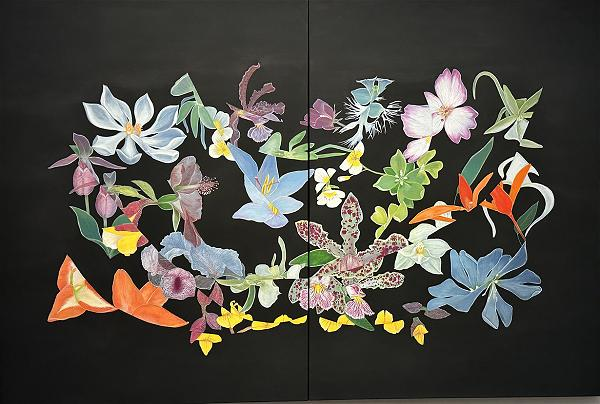

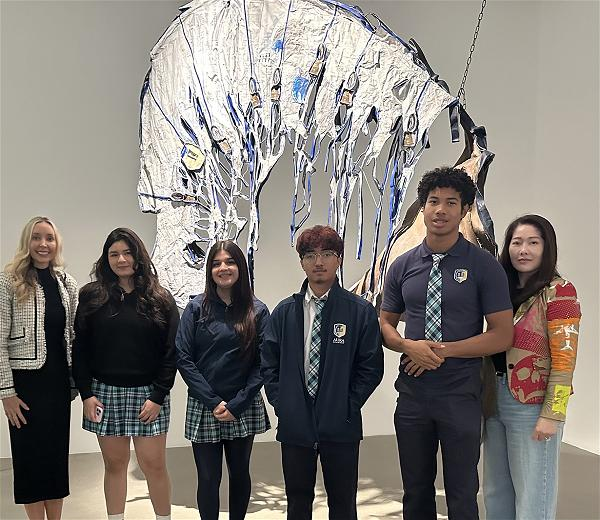
AURA students embrace a variety of field study opportunities. Their engaging perspective appreciates critical, global thinking and encourages a deeper understanding of the relevancy of art and cultural history.
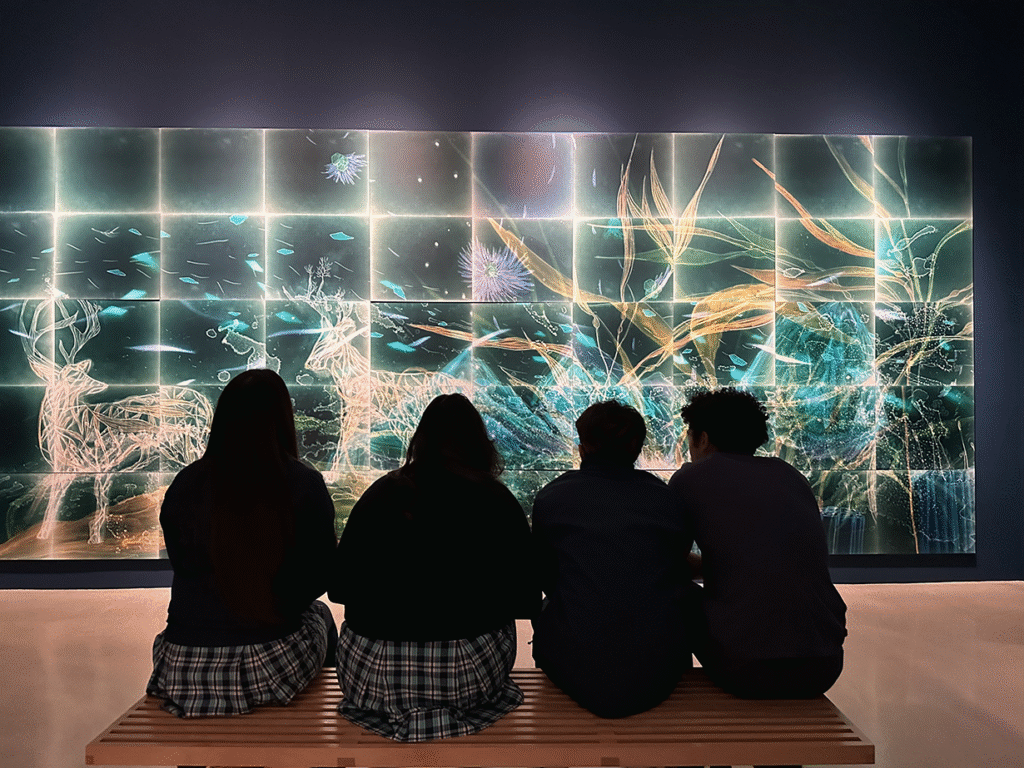
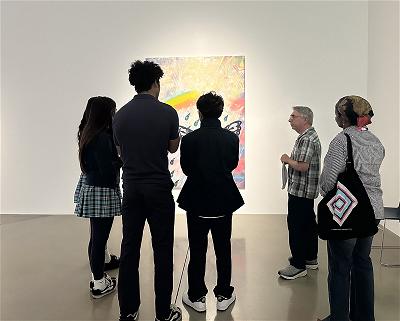
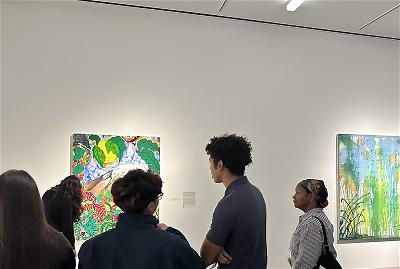
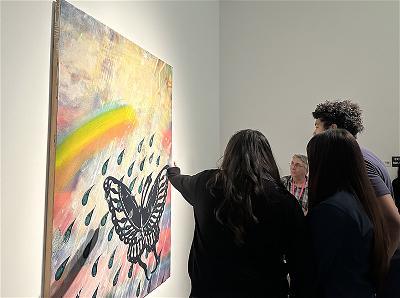
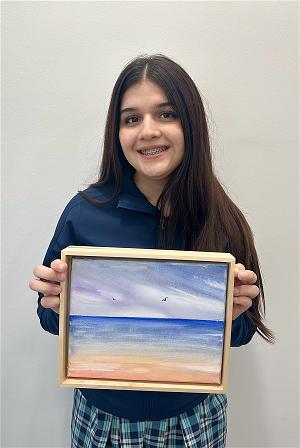
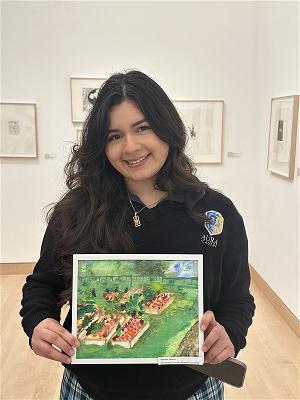
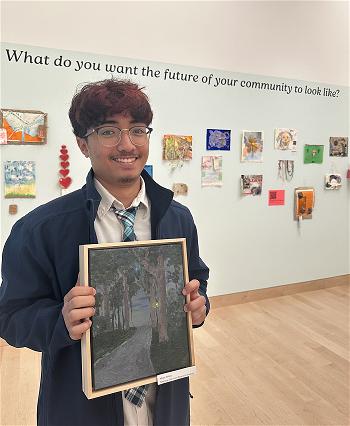
AURA students Mariana Gomez, Moses Infante, and Angelina Sanchez created original artwork prompted by the Museum’s challenge “What do you want the future of your community to look like?” Their original mixed media paintings will be on display in the community student gallery at the Kleefeld Contemporary Art Museum until November 22nd.
AURA Academy Is Now an Official MYP IB World School! We’re thrilled to announce that AURA Academy is now an authorized International Baccalaureate (IB) Middle Years Programme (MYP) World School! This incredible milestone…
AURA Academy Is Now an Official MYP IB World School!

We’re thrilled to announce that AURA Academy is now an authorized International Baccalaureate (IB) Middle Years Programme (MYP) World School!
This incredible milestone means that our students in grades 6–10 will now benefit from a globally recognized curriculum designed to develop critical thinking, creativity, and real-world connections—all rooted in values that align with our mission of academic excellence, integrity, and service.
What is the IB MYP?
The IB Middle Years Programme (MYP) is a challenging framework that encourages students to make practical connections between their studies and the world around them. Spanning five years, the MYP is designed for students aged 11 to 16 and prepares them for success in the IB Diploma Programme (DP), college, and beyond.
At AURA Academy, our MYP students will now engage in:
• Inquiry-based learning across eight subject groups
• Interdisciplinary projects that reflect real-world problems
• Personal projects that encourage independence and creativity
• Service learning rooted in our Christian values
• Global-mindedness and intercultural understanding
Why This Matters for Our Students
Becoming an MYP IB World School places AURA Academy among a prestigious group of schools worldwide. It ensures that your child receives a rigorous, internationally respected education—one that develops lifelong learners, compassionate leaders, and responsible global citizens.
And the best part? It’s happening right here in our faith-based, close-knit school community.
Join Us on This Journey
Whether you’re a current family or new to AURA Academy, we invite you to learn more about the IB MYP and how it sets our students up for lifelong success—academically, socially, and spiritually.
♣STUDENT SPOTLIGHT: Youth in Government Day at Signal Hill City Hall! On April 1st, a group of our outstanding students had the exciting opportunity to participate in Signal Hill’s Youth in Government Day!…
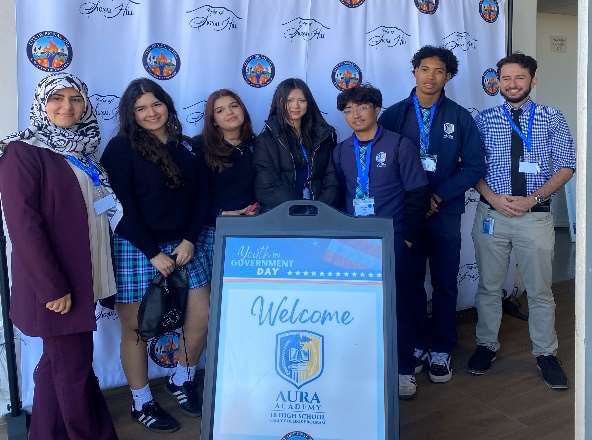
♣STUDENT SPOTLIGHT: Youth in Government Day at Signal Hill City Hall!
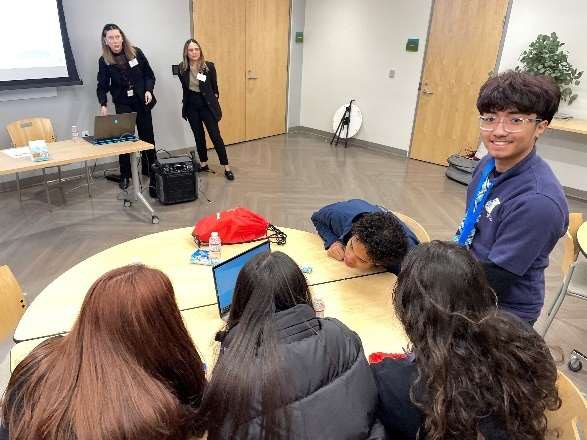
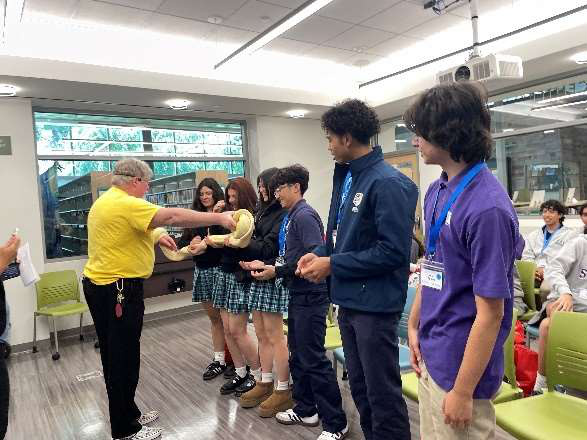
On April 1st, a group of our outstanding students had the exciting opportunity to participate in Signal Hill’s Youth in Government Day! Hosted at Signal Hill City Hall, the event brought together students from schools across the city for a full day of civic engagement, collaboration, and fun.
Throughout the day, students took on the roles of city leaders—sharing their development plans, presenting fresh ideas, and channeling their passion for local governance. From proposing creative community projects to engaging in lively discussions about the future of Signal Hill, our students impressed everyone with their enthusiasm, insight, and leadership.
We’re proud of their participation and how they represented our school with pride and purpose. Events like these sparks a deeper understanding of civic responsibility and show just how powerful young voices can be in shaping our communities.
Way to go, future leaders!

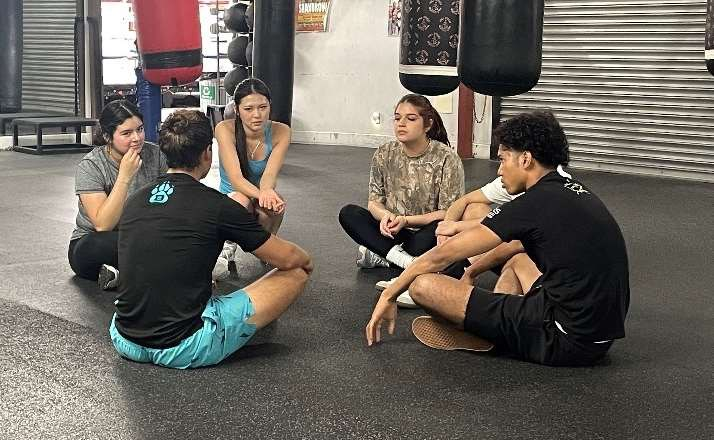
♦ NEW ACTIVITY ALERT: Kickboxing Class Kicks Off with Energy!
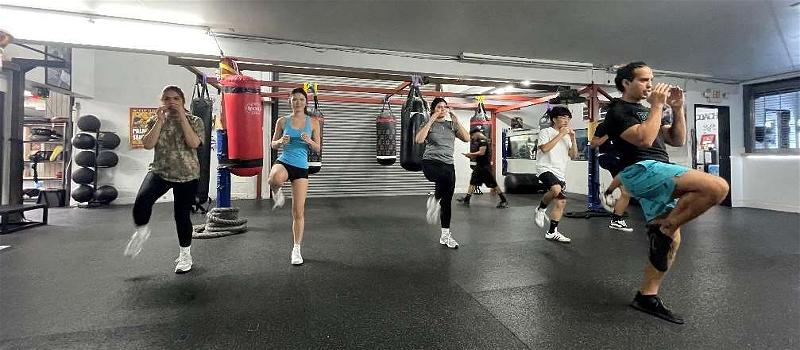
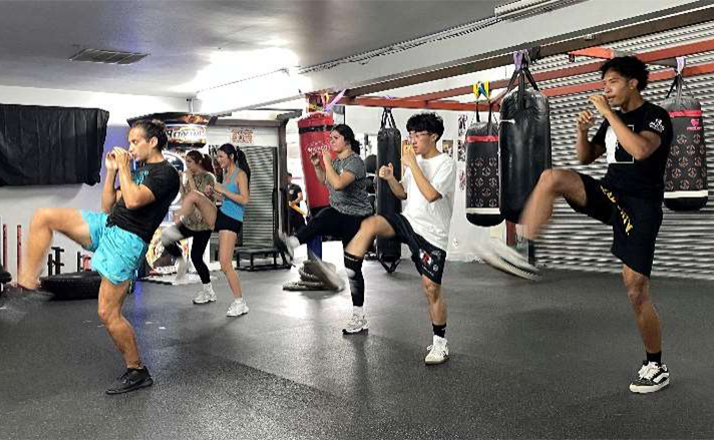
We’re excited to share that our student kickboxing class officially launched on March 24th, and it’s already packing a punch!
Our students have been diving into the fundamentals of kickboxing, starting with dynamic stretching routines and stamina-building workouts. Week by week, they’re gaining strength, focus, and confidence as they master new moves and develop their skills in a fun and supportive environment.
This high-energy class is not only a great way to stay active, but also a powerful tool for building discipline, coordination, and self-confidence. We’re proud of how committed and motivated our students are—keep kicking strong!
Stay tuned for more updates as they continue to level up!
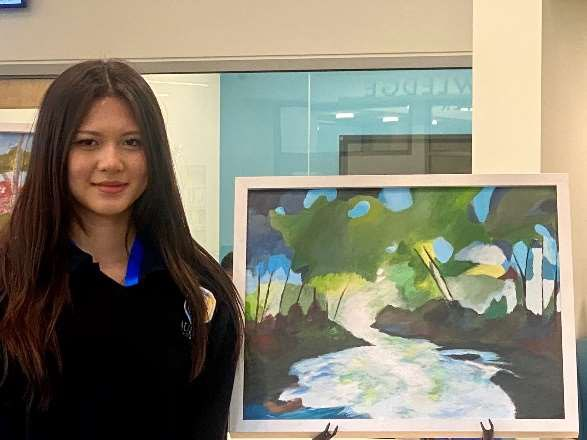
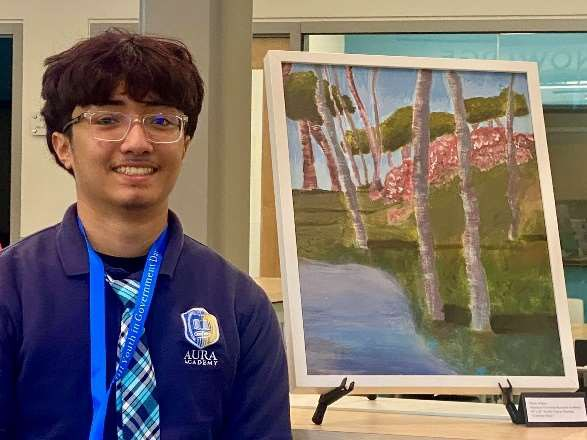
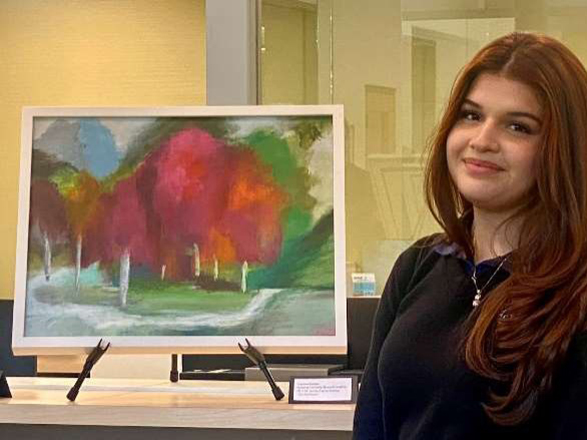
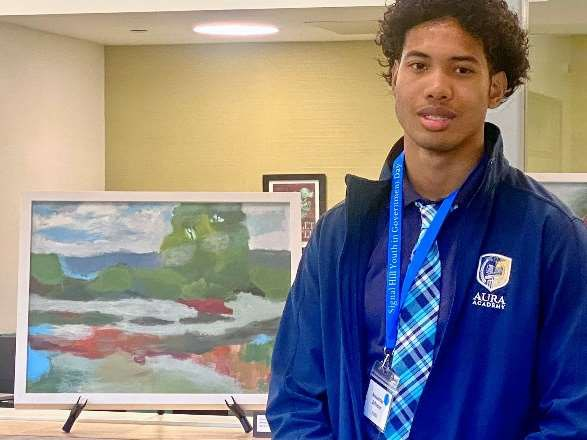
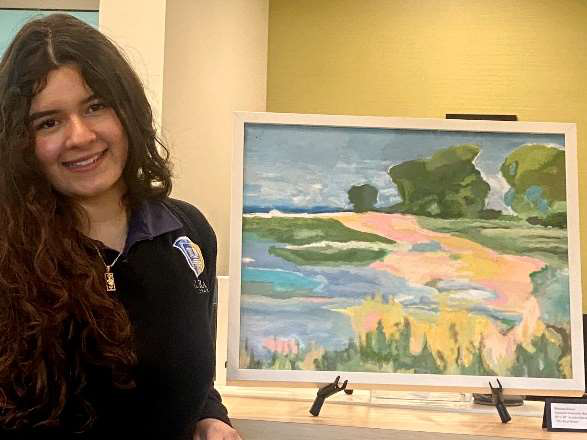
♠ Student Artwork on Exhibit at Signal Hill Public Library!
We’re proud to announce that our students’ creative talents are on full display at the Signal Hill Public Library! A selection of artwork created by our incredibly talented students is currently featured in a special exhibit celebrating youth expression and creativity.
Their vibrant paintings each work reflect the passion, imagination, and skill of our young artists.
§ Announcements
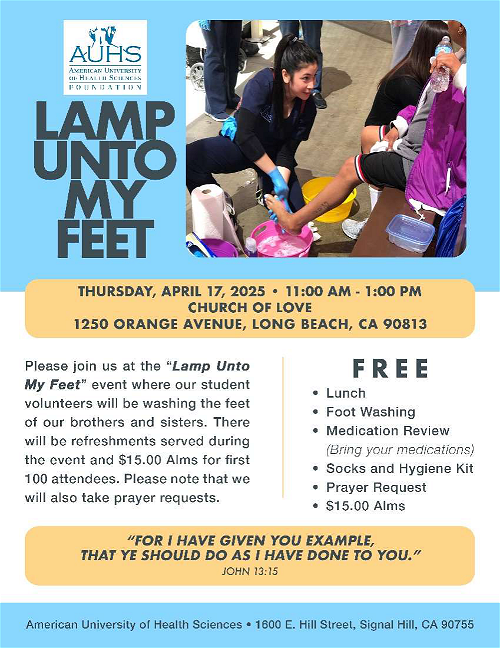
Community Outreach: Lamp Unto My Feet (Required participation)
On Thursday, April 17, our students will join the AUHS Foundation for its annual outreach event, Lamp Unto My Feet, from 10:00 AM–1:00 PM.
Held during Holy Week, this special program offers health screenings, prayer, food, and foot washing for our homeless community— symbolizing humility and compassionate service, following the example of Jesus Christ.
§ Progress Reports Are Out!
Progress reports are now available and can be viewed by both parents and students via Toddle.
If you have any questions, concerns, or would like to discuss your child’s progress, feel free to schedule a meeting with Assistant Principal Ms. Mina Hosseini using the link below:
→ https://outlook.office.com/owa/calendar/AssistantPrincipalMinaHosseini@auhs.edu/bookings/
♦ Dinner Break Guidelines for Students Staying Until 5:30 PM
To support our students’ energy and focus throughout their extended schedules, we’ve implemented dinner breaks for those who are scheduled to stay until 5:30 PM.
Here’s how it works:
- Tuesdays (Study Lab Days):
- Students will take a 30-minute dinner break from 3:30–4:00 PM, then proceed to Study Lab from 4:00–5:30 PM.
- Thursdays (College Course Days):
Students attending college courses will be dismissed for break at the discretion of their college professor. - Students who need to stay until 5:00 PM on Fridays will have a scheduled dinner break from 3:00–3:30 PM.
Families have the option to:
- Provide an extra meal budget for students. Our admin assistant can help purchase meals such as Waba Grill or a Subway Sandwich.
- Pack additional food for students, which can be reheated in the microwave during their break.
We’re committed to supporting both the academic and wellness needs of our students—one healthy, happy learner at a time!
♦ Aura PE Clothing Now Available!
Aura PE shirts and shorts are now available for purchase!
- Shirt: $15
- Shorts: $15
- Full Set: $30
→ Students enrolled in the Kickboxing class are required to wear Aura PE clothing.
To purchase, please visit the Admin Assistant or Student Services. Get yours today and gear up in style and comfort for PE!
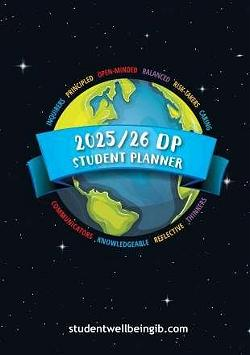
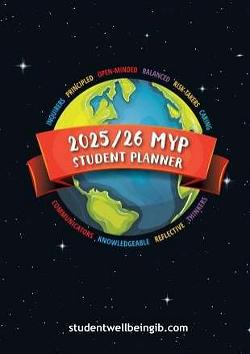
♦ REQUIRED: New IB Student Planner Now Available!
Set your students up for success with the DP and MYP Student Planners—a powerful organizational tool designed specifically for the IB Diploma Programme. These planners are essential for helping students manage their time, track assignments, set goals, and stay on top of their academic responsibilities.
Please note: This planner is a required student supply.
- Cost: $30 (includes taxes and shipping)
- Payment Options:
- Cash payments can be submitted to the Admin Assistant
- Or go directly to Alma Pineda in Student Services
- Receipt will be issued upon payment & student planner will be given to student upon arrival.
Ensure your student is fully equipped for the IB journey— get your planner today!
IB MYP Accreditation Virtual Visit – May 2025
We are excited to announce that Aura will be having our IB MYP Accreditation Virtual Visit on May 2025! This is an important milestone in our journey as an IB World School. As part of the process, parents will be invited to participate. Your involvement is valuable and appreciated. Further details and a guide on how you can take part will be shared in a separate email soon.
Holidays & Important Dates
| Date | Day | Holiday/Event |
| April 17, 2025 | Thursday | “Lamp unto my feet” volunteer event |
| April 18, 2025 | Friday | Good Friday Holiday – No class |
| May 2025 | TBA | IB MYP Authorization Virtual Visit |
| TBA | TBA | AURA 3rd Open House |
| May 26, 2025 | Monday | Memorial Day Holiday – No class |
| June 2-6, 2025 | Exam Week | |
| June 6, 2025 | Friday | Spring 2025 Student Led Conference |
| June 7-22, 2025 | Break – No class | |
| June 23, 2025 | Monday | Beginning of Summer Class |
Updated Meal Menu
| Day | Meal | Cost |
| Monday | Mother’s Market – Choice of
|
$18 *$11 Acaii |
| Tuesday | Panda Express – Choice of
|
$15 |
| Wednesday | Waba Grill –
|
$15 |
| Thursday | Owl owl Thai – Choice of
|
$19 |
| Friday | Chick Fil A
|
$17 |
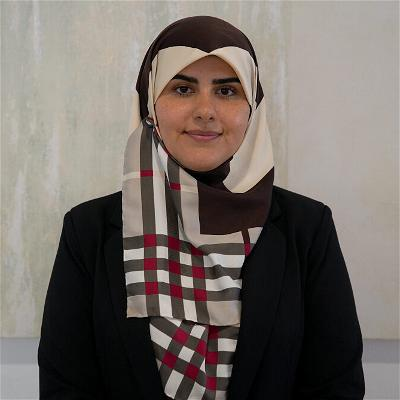
At the heart of the American University Research Academy (AURA) is Vice Principal Mina Hosseini, whose dedication and expertise have been instrumental in shaping the institution's academic excellence. Academic and Professional Background:…
At the heart of the American University Research Academy (AURA) is Vice Principal Mina Hosseini, whose dedication and expertise have been instrumental in shaping the institution’s academic excellence.
Academic and Professional Background:
Ms. Hosseini holds a Master of Science in Biomedical Engineering from the University of New South Wales (UNSW), Australia’s top-ranked engineering school. With over a decade of experience in education, she has made significant contributions to curriculum development and academic leadership in schools in the united states and abroad.
Her journey with the International Baccalaureate (IB) began in 2013, and she has since been a pivotal figure in curriculum development across IB Primary, Middle Years, and Diploma Programs. As an IB Educator Network (IBEN) leader, she not only supports IB schools but also trains leaders on how to implement IB pedagogy effectively. Her work ensures that schools uphold the highest standards of IB teaching and learning.
Pioneering IB Programs at AURA
Under Ms. Hosseini’s visionary leadership, AURA successfully launched the IB Middle Years Programme (MYP) in September 2023 and achieved accreditation for the IB Diploma Programme (DP) in June 2024. Her unwavering commitment to these programs ensures that AURA students receive a holistic education, fostering critical thinking and global awareness.
IB consultants and visiting authorization teams highly commended Ms. Hosseini’s exemplary leadership and meticulous preparation, noting her ability to align AURA with IB standards and best practices within a remarkably short timeframe. Her strategic planning and execution were instrumental in securing accreditation and establishing a strong foundation for IB programs at the academy. She is also highly regarded for her ability to work collaboratively with faculty, leading effective collaboration meetings to foster a culture of teamwork and continuous improvement.
AURA’s Mission and Vision
AURA is dedicated to providing rigorous pathways to health sciences careers through STEAM (Science, Technology, Engineering, Arts, and Mathematics) and language education. The academy’s vision emphasizes exemplary learning and limitless possibilities for all students, a philosophy deeply ingrained in its culture.
Ms. Hosseini’s leadership continues to inspire both faculty and students, driving AURA’s mission to cultivate a community of lifelong learners and responsible global citizens.
Newsletter March 2025 What’s happening in AURA Valentine’s Building Décor – Students showcasting their creativity in decorating the AURA building for valentines! February is Hearts Day! – AURA Students expressed their love for their…
Newsletter
March 2025
What’s happening in AURA
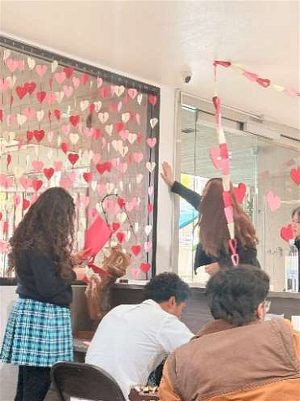
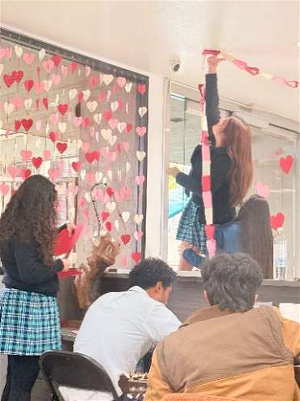
Valentine’s Building Décor – Students showcasting their creativity in decorating the AURA building for valentines!
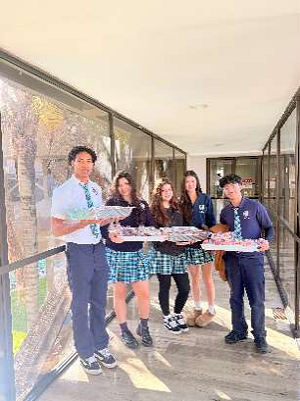
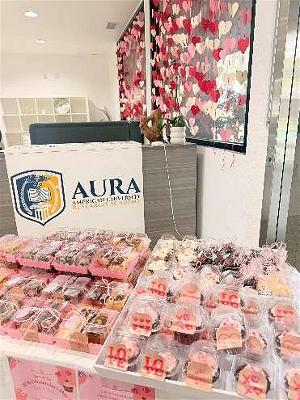
February is Hearts Day! – AURA Students expressed their love for their community through a fund-raising bake sale to raise funds for Habitat for Humanity and help victims of recent LA Fire. Students raised a total of $800 from this fundraiser which was given directly to Habitat for Humanity! Our students working together and using their skills to help our community makes our heart happy! We are looking forward to have more events for a cause in the future!
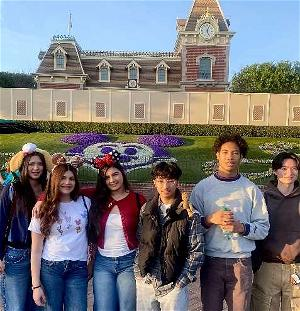
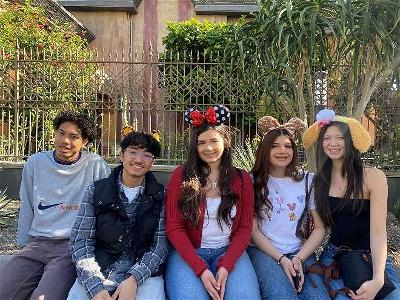

A Fun Day at Disneyland! – Students spent a fun weekend at Disneyland
Spring Break is Almost Here – We’re approaching the end of Winter Semester which means, Spring Break! Your spring semester will start on March 24th.
Spring Semester News
📚 College Courses
| STUDENT NAME | COLLEGE COURSE | COURSE NAME | PROFESSOR |
| JOHNSON, ALEXANDER | Psych 100 | Intro to Psychology | Dr. Shankar Gollapudi |
| DANG, TIFFANY | Psych 100 | Intro to Psychology | Dr. Shankar Gollapudi |
| INFANTE, MOSES JAY | Bio 200A w/ Lab | Human Anatomy w/Lab | Prof. Jose Candelario |
| GOMEZ, MARIANA | Bio 200A w/ Lab | Human Anatomy w/Lab | Prof. Jose Candelario |
| SANCHEZ, ANGELINA | Bio 200A w/ Lab | Human Anatomy w/Lab | Prof. Jose Candelario |
📅 Courses start on March 24. Your spring schedule will be sent out during Spring Break week, so keep an eye out!

🥊 Kickboxing
Students will begin kickboxing classes this semester with Coach Anthony! 🥋 Our weekly class is set every Wednesday from 2:00PM-3:30PM and will be held at the Hill Street Boxing & Fitness Gym on Orange & Hill st., a 5-min walk from the campus! There will be an Administrative Assistant present to walk with them and stay with them during the session and walk with them back to the campus for pick up. Parents will still pick in campus at 3:35PM
📧 Parents – Please check your email for the waiver sent separately.
📖 Study Lab
Study Lab will continue Tuesdays from 3:30 PM – 5:30 PM.
🌍 MYP Authorization Candidacy Visit AURA is actively preparing for the IB Visit happening in May 2025 as part of our MYP Authorization Candidacy. Exciting steps ahead!
🌍 Signal Hill Youth in Government Day
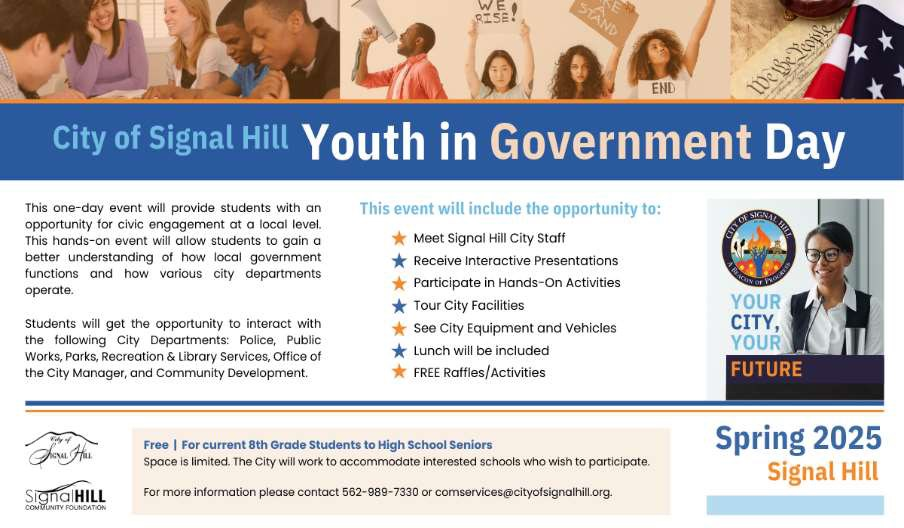
AURA Students will be participating in Signal Hill’s very first Youth in Government Day! It is on April 1st, from 8:00AM-1:30PM at the Signal Hill City Hall (5 mins walk from campus). Breakfast and lunch will be provided. There will be no classes on this day, and the students may be picked up at 2:00PM.
Student Business Presentation – Business Battlefield
We are incredibly proud to announce that two of our students, Alexander Johnson and Tiffany Dang, will be presenting their business idea, Man Grappler – a clothing and apparel company, at Business Battlefield on March 30.
Business Battlefield is a prestigious event where middle and high school aspiring entrepreneurs showcase their innovative business ideas. This is an amazing opportunity for our students, and we wish them the best of luck as they present their vision!
Student Artwork to be Displayed at Signal Hill Library!
We’re thrilled to share that our students’ recent canvas paintings will be featured at the Signal Hill Library! During a visit with the librarian, Ms. Kate showcased their incredible work, and he enthusiastically agreed to have it displayed for the community to enjoy. On April 1st – the students are scheduled to visit the Signal Hill Public Library for a quick trip to check out their artwork displayed in the library!
Spring Semester Events & Holidays
| Date | Day | Holiday |
| March 15-March 23, 2025 | 1 Week | Spring Recess |
| March 24, 2025 | Monday | Spring Semester Begins |
| April 1, 2025 | Tuesday | Signal Hill Youth in Government Day – Minimum Day |
| April 18, 2025 | Friday | Good Friday – No Classes |
| May 26, 2025 | Monday | Memorial Day – No Classes |
Important Reminders:
- Students will be taking home a bunch of forms that parents need to sign (i.e. Medication-related forms, Kickboxing waiver, off campus permission slips, and a list of documents students need to provide) Please ensure that students will bring them back on March 24th once school resumes.
- Don’t forget to sign the waiver for Kickboxing enrollment. Payments can be made to Ms. Alma Pineda of AUHS Accounting.
- A letter will be sent to parents regarding your child’s attendance, and a notice to schedule a meeting with the Principal/Assistant Principal will also be included if needed.
Newsletter February 2025 What’s happening in AURA? 🎶 Exciting News! 🎶 We are thrilled to share that our very own Grade 11 student, Alexander Johnson has had his music piece selected to be played…
Newsletter
February 2025
What’s happening in AURA?
🎶 Exciting News! 🎶
We are thrilled to share that our very own
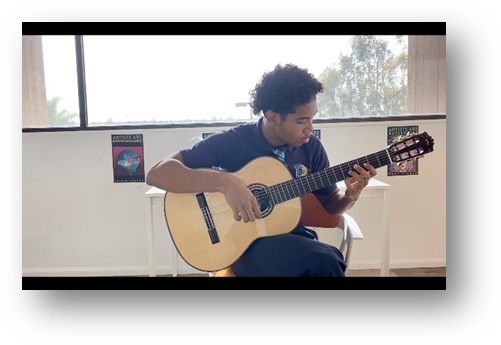
Grade 11 student, Alexander Johnson
has had his music piece selected to be played at the
IB Global University Admissions Conference 2025, taking place
From February 4–6, 2025 across all IB schools worldwide!
This is an incredible honor and a proud moment for our school,
showcasing the talent and creativity fostered through IB learning.
Congratulations, Alexander! Your dedication and passion for music continue to inspire us all.
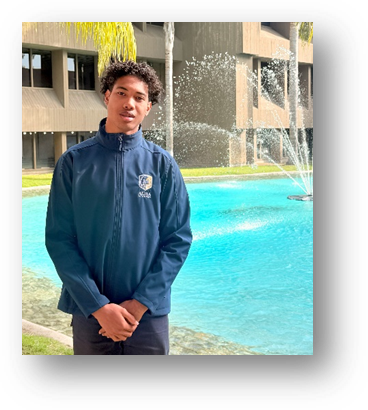
Introducing Our New AURA Spirit Merchandise – The AURA Jacket!
We’re thrilled to announce the launch of our brand-new AURA Jacket, designed to help you show off your school spirit in style.
- Colors Available: Blue
- Sizes: Small to XXL
- Price: $56 each
How to Order:
Simply reply to this email with:
- Your size
- The quantity you’d like to purchase
Payment Options:
Zelle/Venmo/Apple Pay: Send payment to 562-532-8210 (Rica Ella Fae Soledad) or Cash payments are also accepted in person.
Don’t miss out—grab your AURA Jacket while supplies last! Thank you for supporting our school spirit. We can’t wait to see everyone looking amazing in their AURA Jackets!
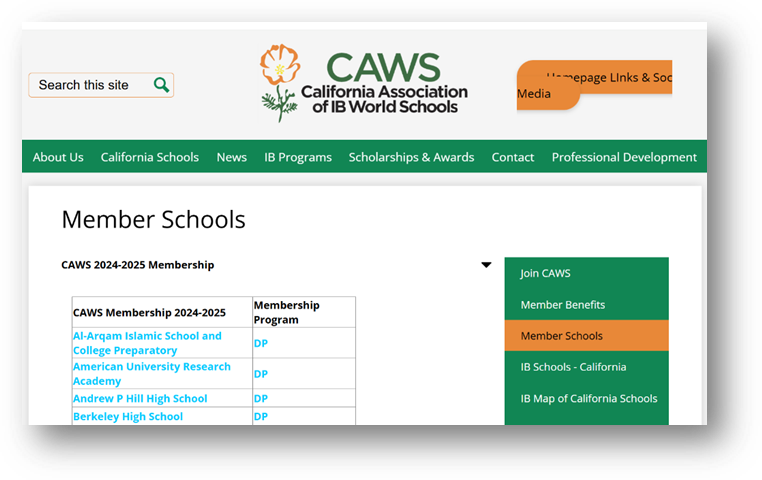
AURA’s Diploma Programme Joins CAWS!
We are thrilled to announce that our Diploma Programme is now officially part of The California Association of International Baccalaureate World Schools (CAWS)!
This recognition further solidifies our commitment to providing world-class education and empowering our students to excel in their academic and personal journeys. Being part of CAWS connects us to a larger network of IB World Schools in California, providing additional opportunities for collaboration, growth, and excellence in education.
Get Ready for the Monthly Decorating Task!
We’re excited to announce a fun and creative opportunity for all students—our Monthly Decorating Task! Each month, we’ll be decorating the building to match upcoming events and celebrations.
For example:
- February: Celebrate the month of love with Valentine’s Day-themed decorations!
- March: Bring in the luck of the Irish with St. Patrick’s Day-inspired designs!
This is your chance to unleash your creativity, work together, and make our building and classrooms brighter, more festive, and welcoming. Prepare to engage and show off your artistic side! We can’t wait to see your amazing ideas come to life. Let’s make each month a celebration to remember!
In Our IB Curriculum: Service as Action!
We’re excited to highlight Service as Action, a foundational element of the International Baccalaureate (IB) Middle Years Programme (MYP). This subject is designed to develop caring and compassionate individuals who take meaningful action to make a positive difference in the lives of others and the environment.
As part of Service as Action, students will participate in:
- Community events
- Fundraising initiatives
- Outreach activities
- And everything in between!
This program encourages students to grow as active, thoughtful members of society while developing important life skills.
Stay tuned for updates on upcoming events and opportunities for students to engage and make a difference! To learn more about Service as Action, visit:
Let’s work together to create meaningful change!
Announcements:
Schedule Update: February 7, 2025 – Pupil Free Day Rescheduled
Please note that the Pupil Free Day originally scheduled for February 7, 2025, will be moved to another day in February due to staff changes. As of now, February 7 will be a regular school day. Please stay tuned for an announcement regarding the new date for the Pupil Free Day.
Study Lab Finalized!
We’re excited to announce that the Study Lab schedule has been finalized and will take place on Tuesdays from 3:30 PM to 5:30 PM.
To help students make the most of their time, Math and Science tutors will be available during each session to provide support and guidance.
Please see the schedule below for details:
| TIME | GRADE LEVEL | SUBJECT FOCUS | TUTOR |
| 3:30 PM – 4:20 PM | 10 | Science | TBD |
| 3:30 PM – 4:20 PM | 11 | Mathematics | Fonzie Nguyen |
| 4:20 PM – 4:40 PM | Break | ||
| 4:40 PM – 5:30 PM | 10 | Mathematics | Fonzie Nguyen |
| 4:40 PM – 5:30 PM | 11 | Science | TBD |
Enforcement of Tardy Policy
To ensure a respectful and productive learning environment for all students and teachers, we are now enforcing a strict tardiness policy.
🔹 Students are not allowed to be late to school. There is a 5-minute grace period, but any student arriving after 8:05 AM will be marked tardy.
🔹 Tardy students must sign the late arrival sheet at the front desk for record-keeping.
🔹 After 3 tardy occurrences, a tardy slip will be issued for the student’s parent/guardian to sign.
🔹 On the 4th occurrence, the student must bring a parent the next day for a meeting with a school administrator, and disciplinary action will be taken.
🔹 If a student needs to arrive late due to a valid reason, parents must inform the Administrative Assistant or School’s Assistant Principal ahead of time.
Let’s work together to help our students develop punctual habits and maintain a respectful learning environment. Thank you for your cooperation! ⏰📚
By Brent Davis and Mohammed A. Masnadi-Shirazi, PhD AURA’s education seeks to develop learners who understand the world, who understand people, and who have a relationship with God. If you want to…
By Brent Davis and Mohammed A. Masnadi-Shirazi, PhD
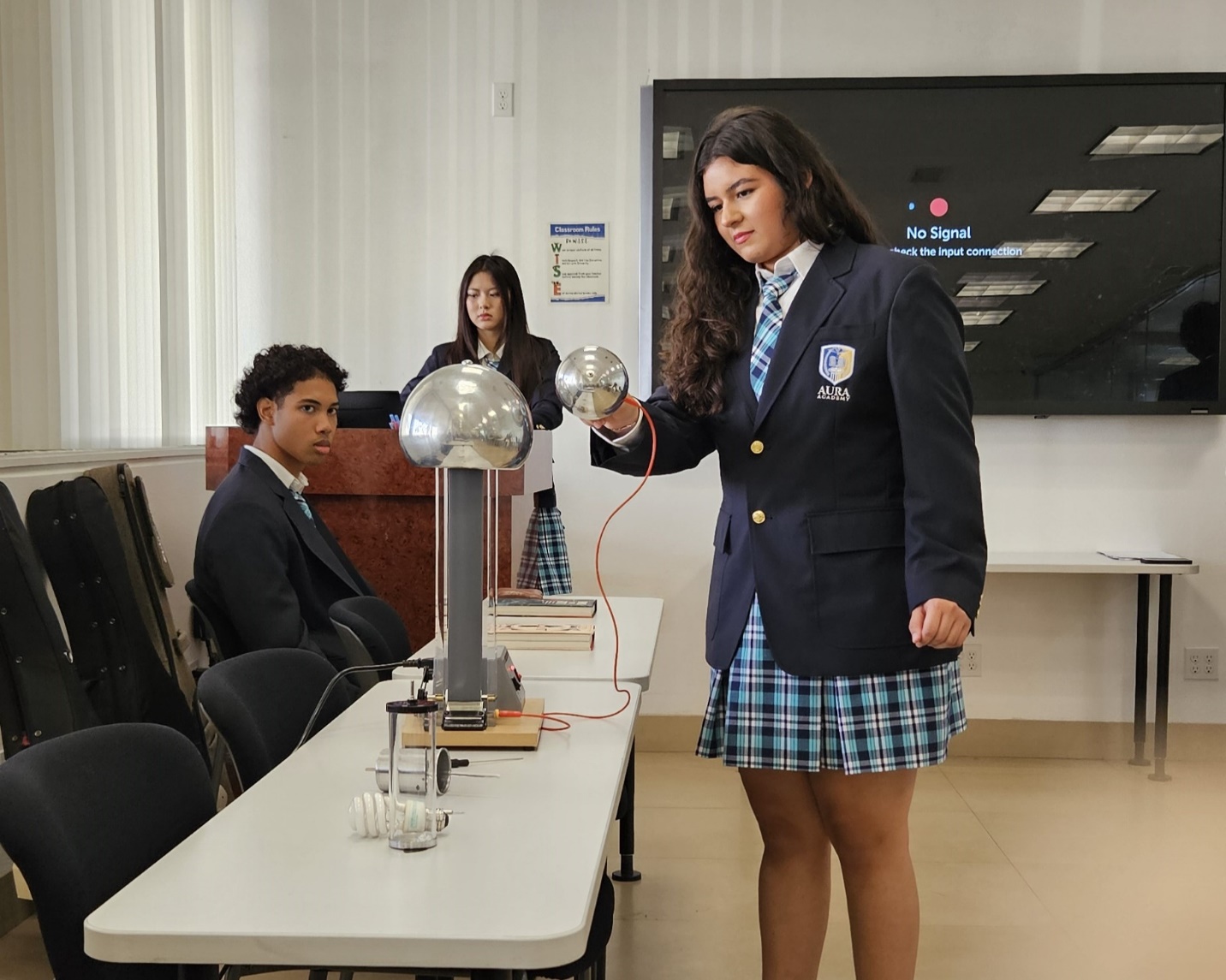
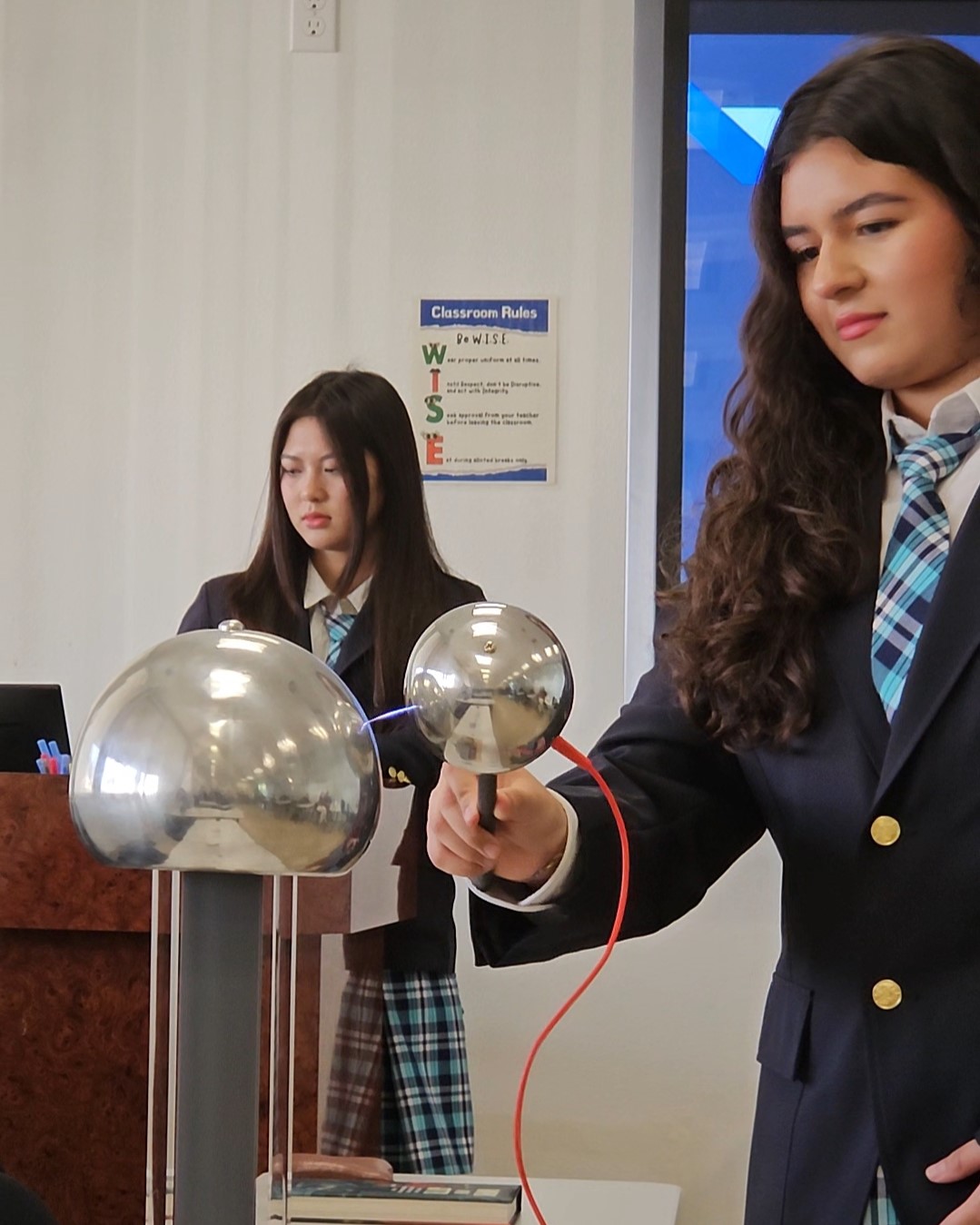
AURA’s education seeks to develop learners who understand the world, who understand people, and who have a relationship with God. If you want to understand the world, you need to know physics. Consequently, physics is one of the core courses at AURA. Consistent with the IB inquiry-based education model, physics is more learner-driven at AURA. To understand this course better we asked Dr. Masnadi-Shirazi, the physics teacher, some questions about physics and the AURA course in particular:
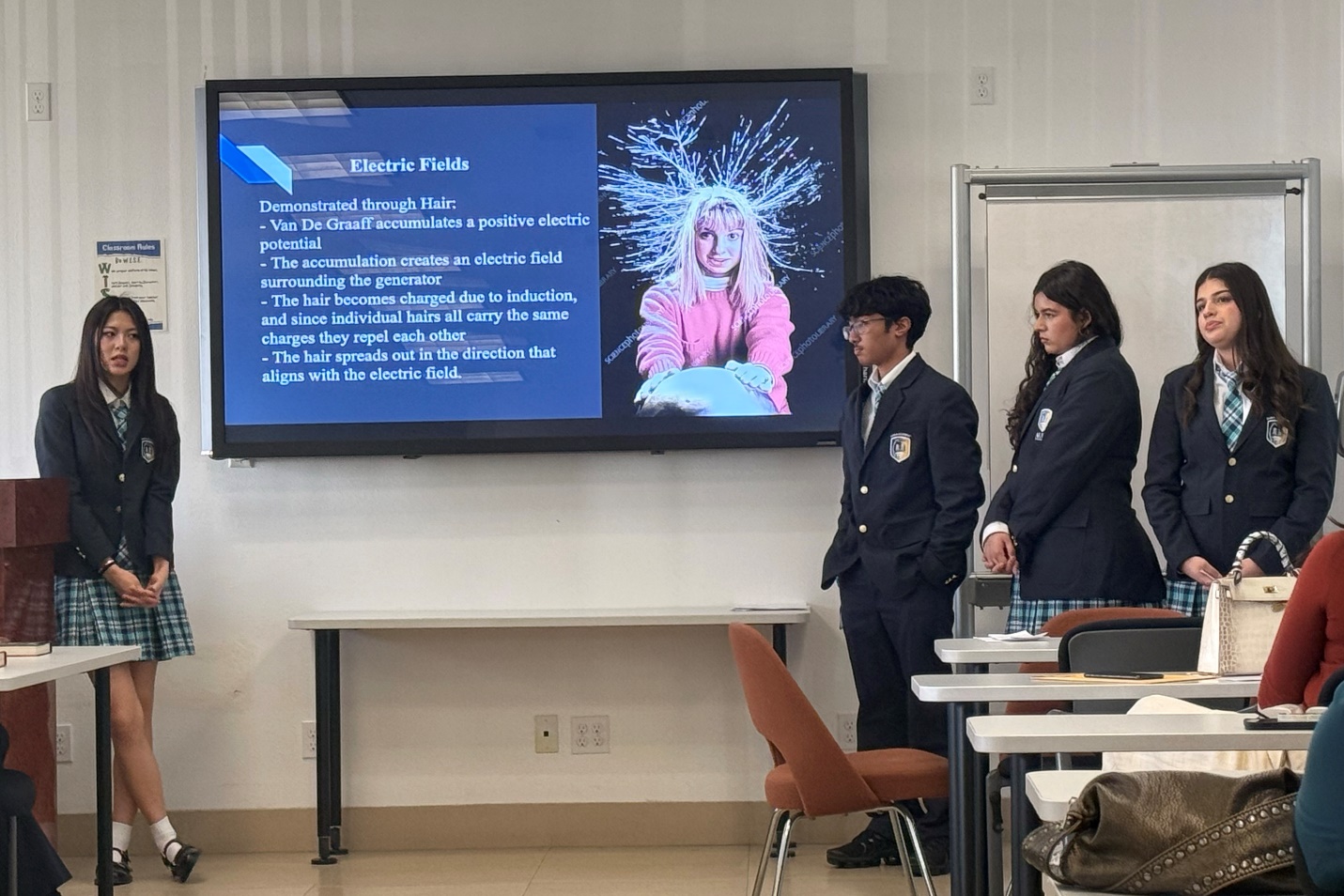
Why is physics fundamental for other science classes including health science?
Physics is fundamental to other sciences, including health sciences, because it provides the foundational principles and concepts that explain how the natural world operates. These principles often underpin the mechanisms studied in other scientific fields. Here’s how physics contributes:
Understanding Fundamental Laws of Nature
- Physics explains basic phenomena such as motion, energy, force, and matter interactions, essential for understanding biological and chemical processes.
- For example, concepts like thermodynamics help explain how energy is transferred and transformed in the human body (e.g., metabolism).
Medical Technology
- Many diagnostic and therapeutic tools in medicine are based on physics:
- X-rays and MRI scans rely on electromagnetic radiation and magnetic fields.
- Ultrasound uses sound wave physics to create images of internal organs.
- Radiation therapy applies principles of particle physics to target cancer cells.
Circulation and Fluid Dynamics
- Physics explains blood flow, air movement in the lungs, and other fluid dynamics in the body, helping to understand cardiovascular and respiratory systems.
- The Bernoulli principle and Poiseuille’s law, for instance, describe how blood pressure and flow rates function.
Energy Transfer and Metabolism
- Concepts of energy transfer, work, and power are essential in understanding how cells generate energy (ATP production) and how the body utilizes it.
Foundation for Chemistry and Biology
- Chemistry builds on physics principles such as atomic structure, bonding, and reactions, which are crucial for understanding molecular interactions in health sciences.
- Biology depends on physics to understand processes like cellular transport, nerve signaling (electrical potential), and sensory systems (hearing, vision).
Problem-Solving and Analytical Skills
- Physics trains students to think critically and solve complex problems using quantitative methods, a skill directly applicable to diagnosing and solving medical and health-related issues.
In summary, physics serves as a bedrock for understanding the mechanisms behind natural and biological phenomena, making it indispensable for health sciences and other scientific disciplines.
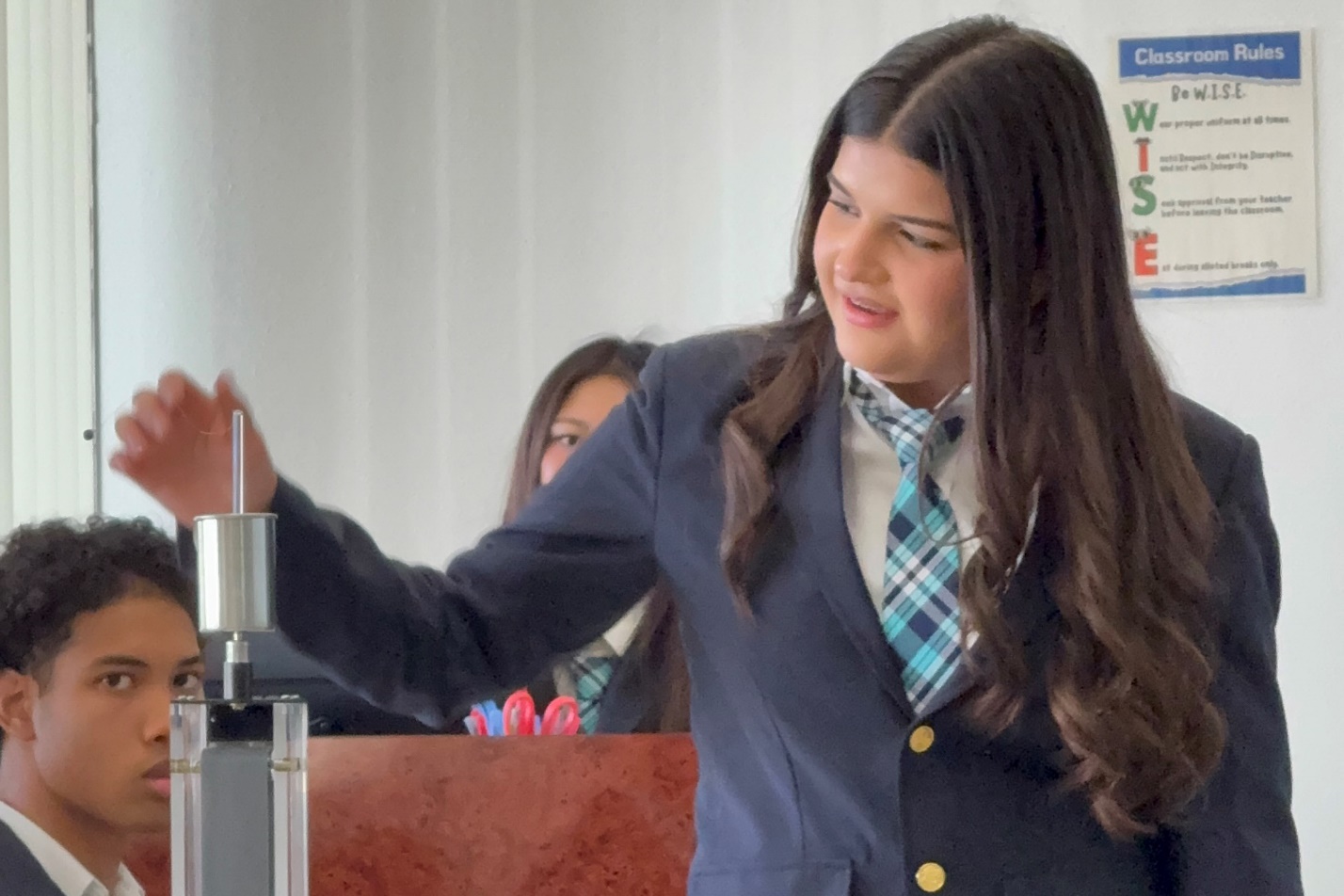
What sparked your interest in physics?
My “interest” in physics comes from its ability to explain how the universe works, from the tiniest particles to the vastness of galaxies. Physics offers a logical framework for understanding energy, matter, and the fundamental forces that govern our world.
Can Physics Teach Us Anything About God?
The relationship between physics and the concept of God is a topic of philosophical and theological inquiry. Physics doesn’t explicitly address metaphysical questions but offers insights that some interpret as relevant to understanding divine attributes or existence.
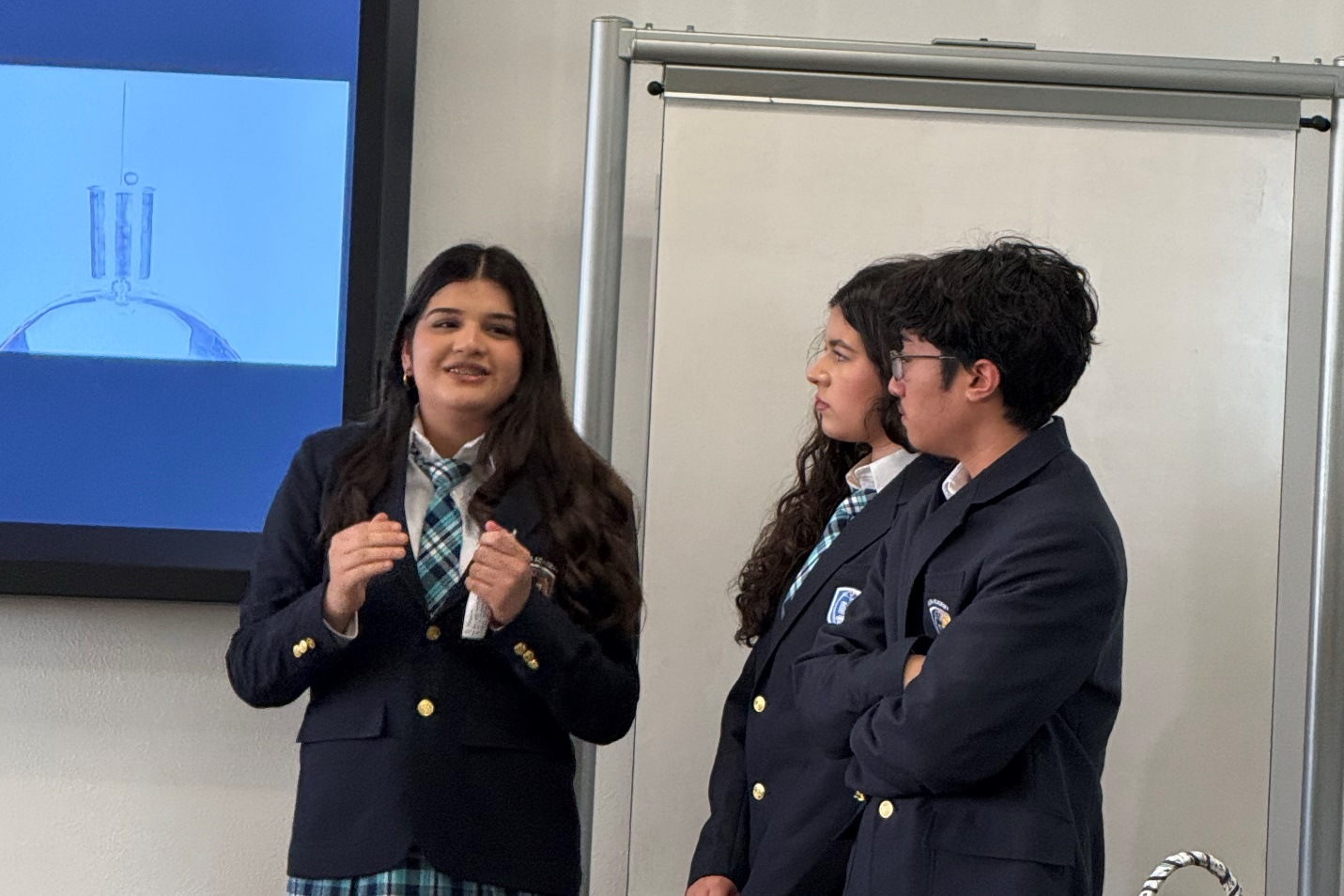
The Fine-Tuning Argument:
- The universe operates under precise laws and constants that allow life.
- Examples: strength of gravity, charge of the electron, cosmological constant.
- Interpretations: Some see fine-tuning as evidence of a purposeful Creator; others attribute it to multiverse theories or anthropic principles.
The Big Bang and Creation:
- The Big Bang theory describes a universe with a definite beginning.
- Raises questions about the cause of the Big Bang and the possibility of a transcendent entity initiating it.
- Example: Georges Lemaître, a Catholic priest and astronomer, saw no contradiction between faith and science.
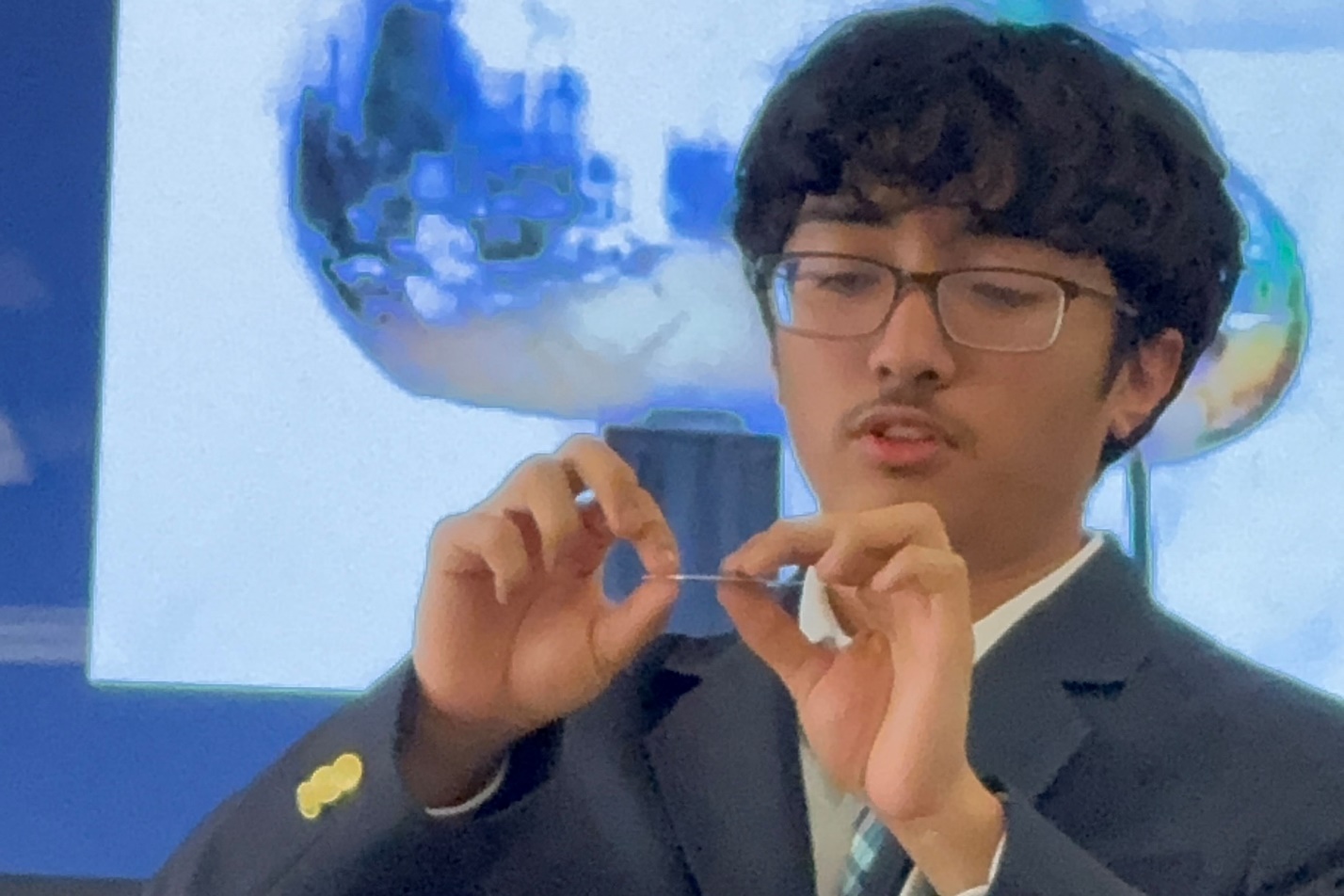
Limits of Physics: Physics provides tools for understanding the physical universe but does not address questions of purpose, meaning, or ultimate causation. These questions lie within philosophy, theology, and personal belief.
Physics doesn’t prove or disprove God but offers a lens to contemplate existence, complementing spiritual or theological reflections.
How Do You Collaborate with the Music Class and Achieve IB Educational Distinctives?
Collaborating with the music class blends physics with creative arts, fostering interdisciplinary learning—a key feature of the International Baccalaureate (IB) framework.
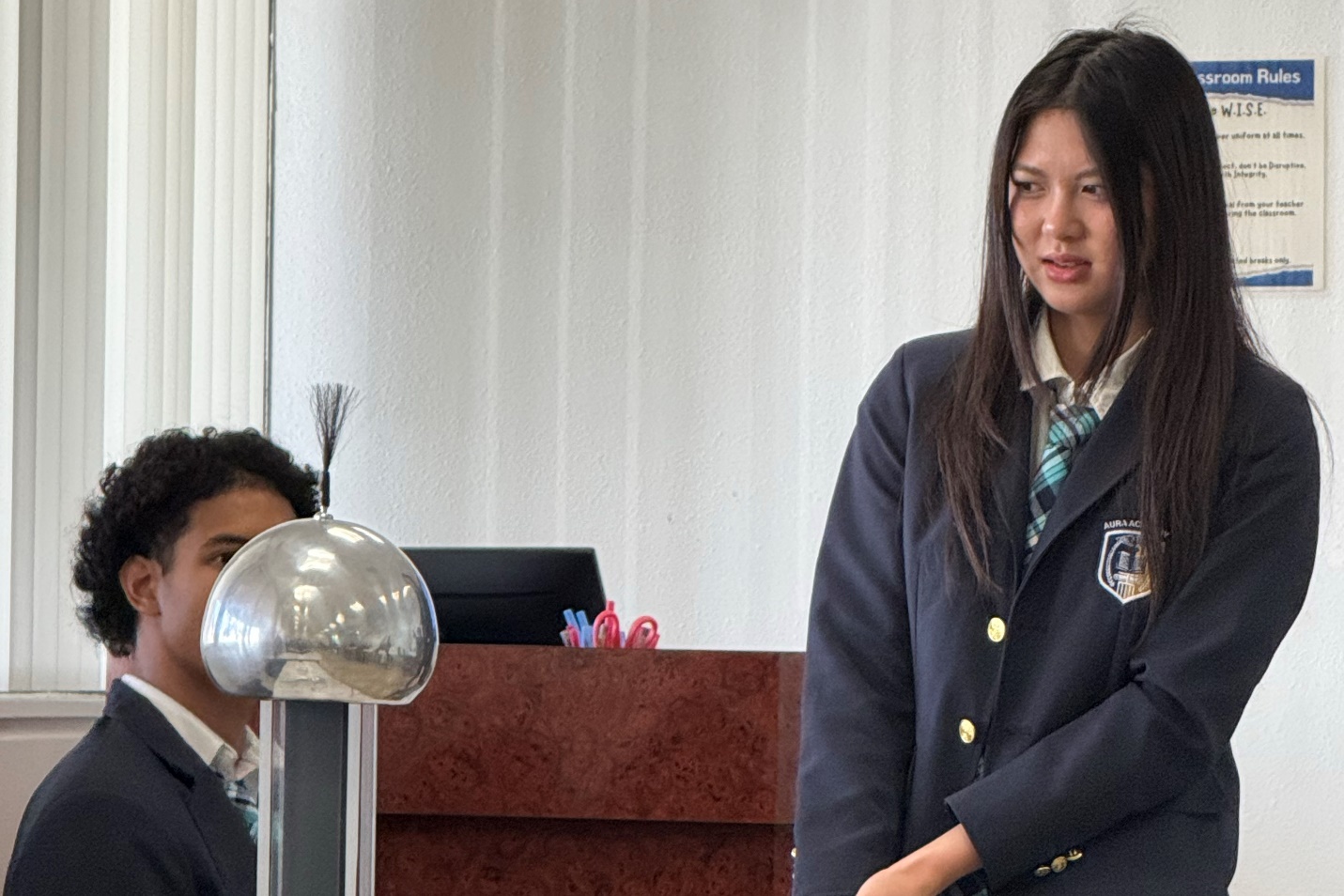
Focus on the Physics of Sound and Music:
- Explore wave properties, harmonics, instrument mechanics, and acoustics.
- Example: Discuss how sound waves travel, amplitude, frequency, and resonance.
Investigate Cultural Perspectives on Sound and Music:
- Tie collaboration to an IB global context, such as Personal and Cultural Expression.
- Example: Explore traditional musical instruments from different cultures and their scientific explanations.
Highlight Connections to Theory of Knowledge (TOK):
- Encourage reflective discussions linking physics and music to TOK.
- Example: Debate whether music is a form of “knowledge” and how physics validates this.
IB Educational Distinctives in Action:
- Inquiry-based Learning: Guide students to ask questions about sound and music and investigate collaboratively.
- Interdisciplinary Approaches: Foster understanding of how physics enhances music appreciation and creation.
- Global Contexts: Use music to explore personal and global perspectives.
- Reflection: Encourage students to reflect on integrating scientific and artistic perspectives.
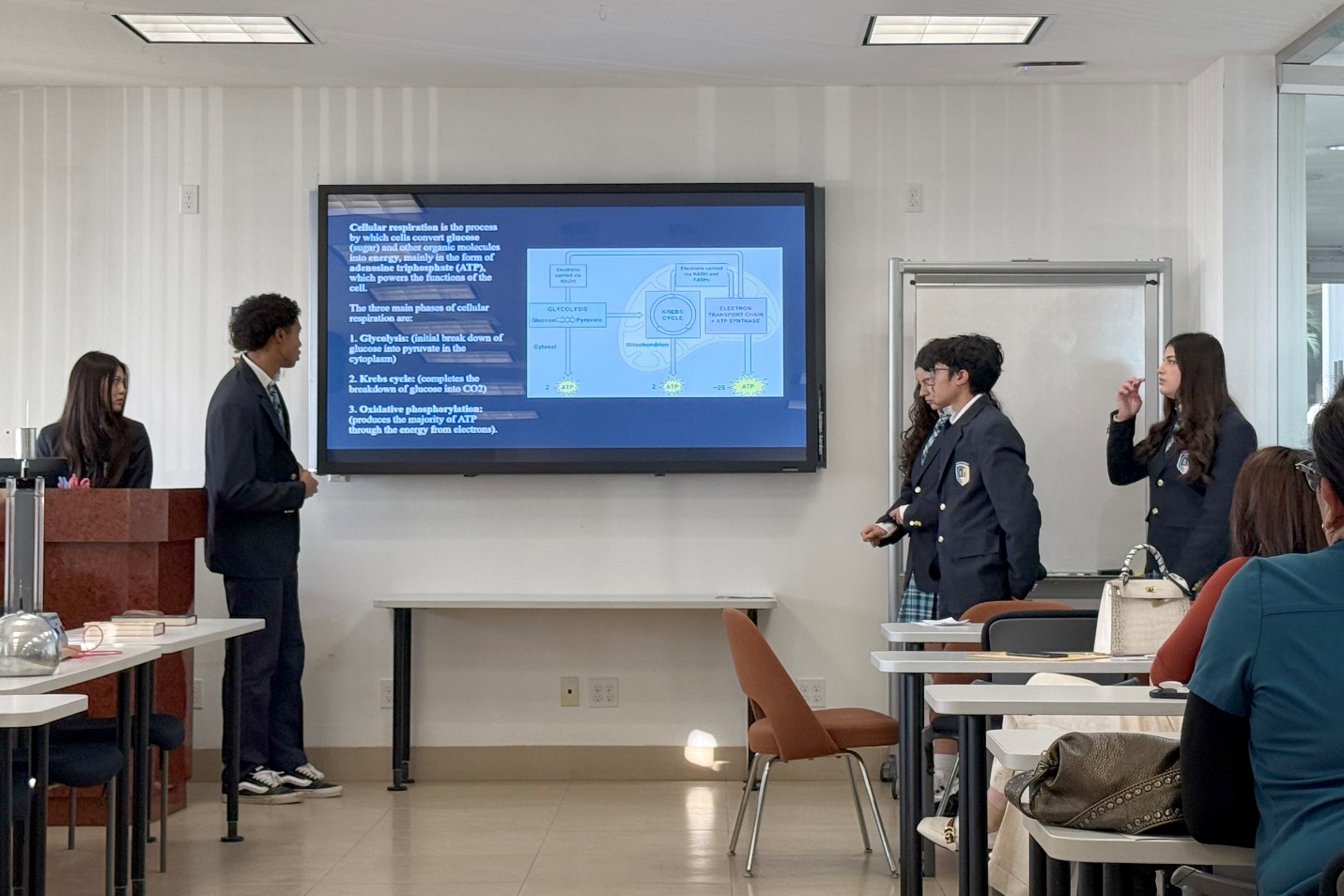
Content Differentiation:
- Provide foundational materials for support and extension tasks for advanced learners.
- Example: Visual aids, simulations, interactive experiments.
Process Differentiation:
- Allow students to explore topics aligning with their strengths.
- Example: Musically inclined students compose pieces demonstrating sound wave principles; physics-focused students model instrument acoustics.
Product Differentiation:
- Permit diverse presentation formats.
- Example: Collaborative video projects, live experiments, and performances.
Interest-Based Grouping:
- Pair students with different strengths and interests for idea cross-pollination.
Inclusivity through Cultural Contexts:
- Explore traditional instruments or music styles worldwide, linking them to physical principles.
Distinctive IB Approaches:
- Interdisciplinary Learning: Develop units bridging sciences and arts.
- Inquiry-Based Learning: Encourage open-ended questions.
- Global Contexts: Use global issues to contextualize learning.
- Reflection: Link learning outcomes to broader TOK questions.
What would you like prospective students and parents to know about the physics class?
In the physics class, students can expect an engaging exploration of the physical world through hands-on experiments, problem-solving, and real-world applications. We focus on building a strong foundation in key physics concepts, such as mechanics, electricity, magnetism, and waves, with an emphasis on critical thinking and curiosity-driven learning. Our goal is to foster not just an understanding of physics, but a genuine excitement about how the laws of nature shape the world around us.
The collaboration with the music class offers a unique opportunity to see how physics and music intersect. Students will explore sound waves, acoustics, and the physics behind musical instruments. They’ll have the chance to experiment with frequency, pitch, resonance, and more, gaining a deeper appreciation for both the science and art of music. This cross-disciplinary approach encourages creativity, teamwork, and a more holistic understanding of both subjects, making the learning experience not only educational but also fun and inspiring.
Parents and students should know that this class encourages active participation, critical thinking, and interdisciplinary learning, all while fostering a supportive environment for students to develop both academically and creatively.
As you can see, physics at AURA is an important and exciting part of the curriculum, providing a foundation for the health sciences and a lens for better understanding Creation.
Acknowledgements: Dr. Masnadi-Shirazi would like acknowledge the use of ChatGPT in formulating some responses.
By Brent Davis and Maher Oueida "What do I believe in? Why do I believe it? Are those reasons valid?" These are some of the central questions explored in the Theory of…
By Brent Davis and Maher Oueida
“What do I believe in? Why do I believe it? Are those reasons valid?” These are some of the central questions explored in the Theory of Knowledge (TOK) course, part of the International Baccalaureate (IB) curriculum. This course encourages students to critically examine knowledge, question sources, and engage with diverse perspectives. By developing these skills, students are better equipped to navigate differing opinions and various streams of information, laying the groundwork for a lifetime of learning.
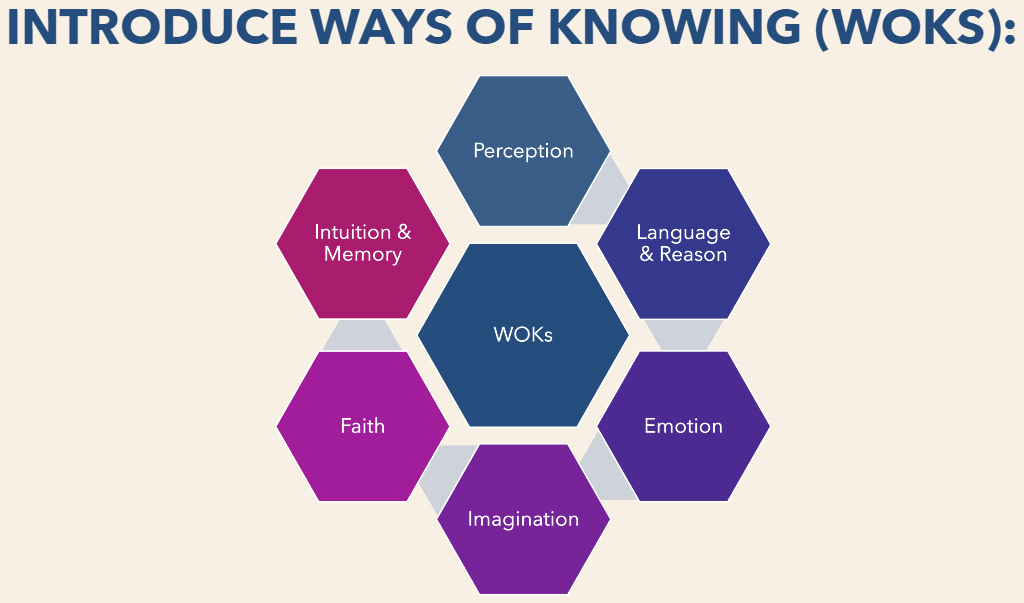
TOK is essentially a course in epistemology—the study of knowledge. It invites students to ask, “How do we know what we know?” Critical thinking begins with the ability to evaluate information, requiring us to question its origins and methods of acquisition. The course also examines how different disciplines, such as history, behavioral science, and natural sciences, approach knowledge, with a strong focus on ethical considerations. This reminds us that knowledge, without meaningful relationships, has limited value. As Scripture says, “Knowledge puffs up, but love builds up” (1 Corinthians 8:1).

At AURA, we strive to develop both strong minds and strong character, grounded in relationships that edify and enrich.
By Grygorii Koval and Brent Davis The music course at AURA provides students with a comprehensive understanding of music as both an art form and a tool for wellness. Students will explore…
By Grygorii Koval and Brent Davis
The music course at AURA provides students with a comprehensive understanding of music as both an art form and a tool for wellness. Students will explore the cultural connections of music, learn foundational guitar techniques, and engage in lectures on music appreciation, history, and theory, including composition. The course emphasizes the development of skills in listening, reading, writing, production, and performance across various musical styles, enabling students to perceive and express musical ideas effectively.
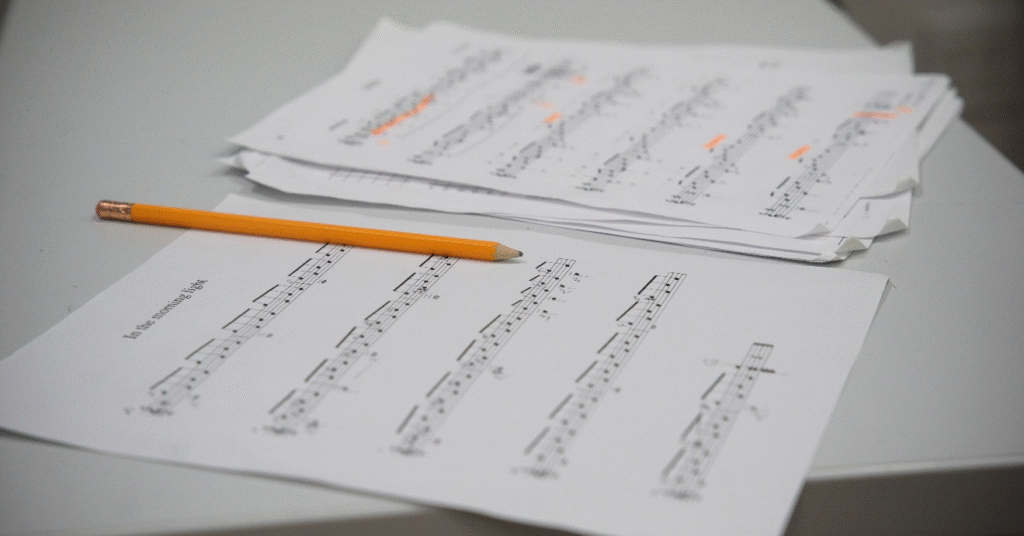
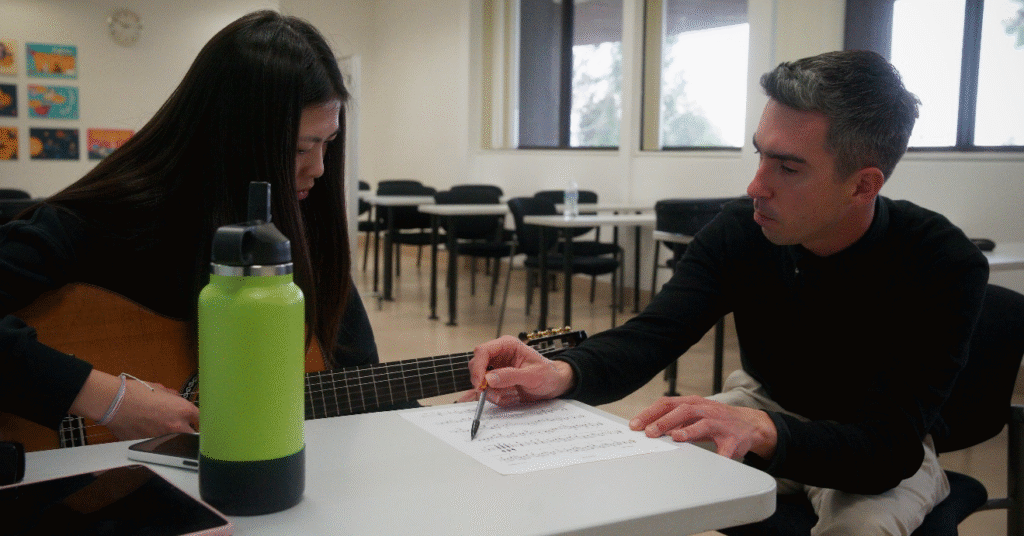
As an IB school, AURA values cultural understanding, and our music courses reflect this by promoting community engagement, particularly among marginalized groups, and fostering an appreciation of the music of different ethnic communities. Additionally, as a Christian school, we emphasize the importance of the Christian musical heritage, exploring the role of music in worship and the promotion of Christian virtues.
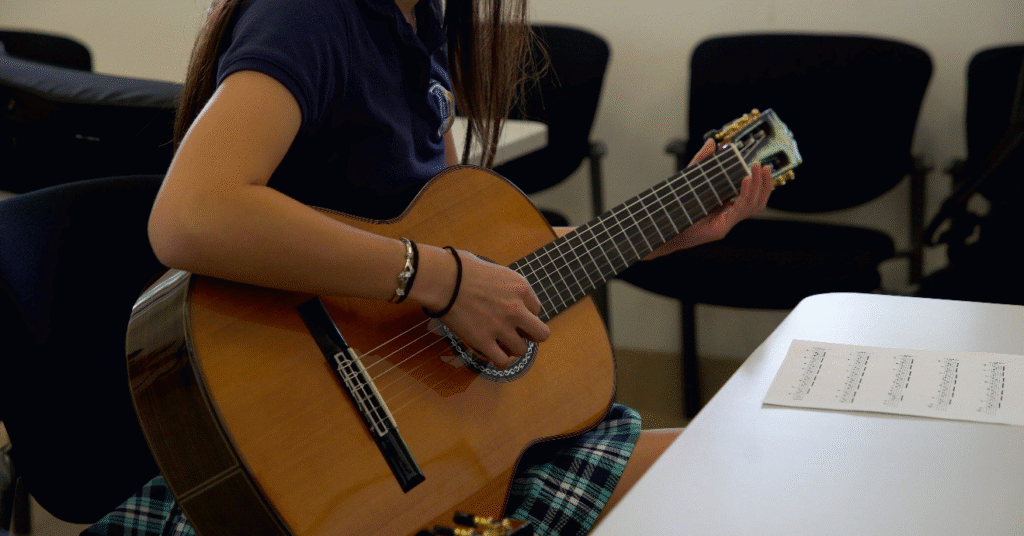
AURA’s art and music courses contribute to STEAM education—integrating arts with science, technology, engineering, and mathematics—encouraging creativity alongside rigorous analytical thinking.
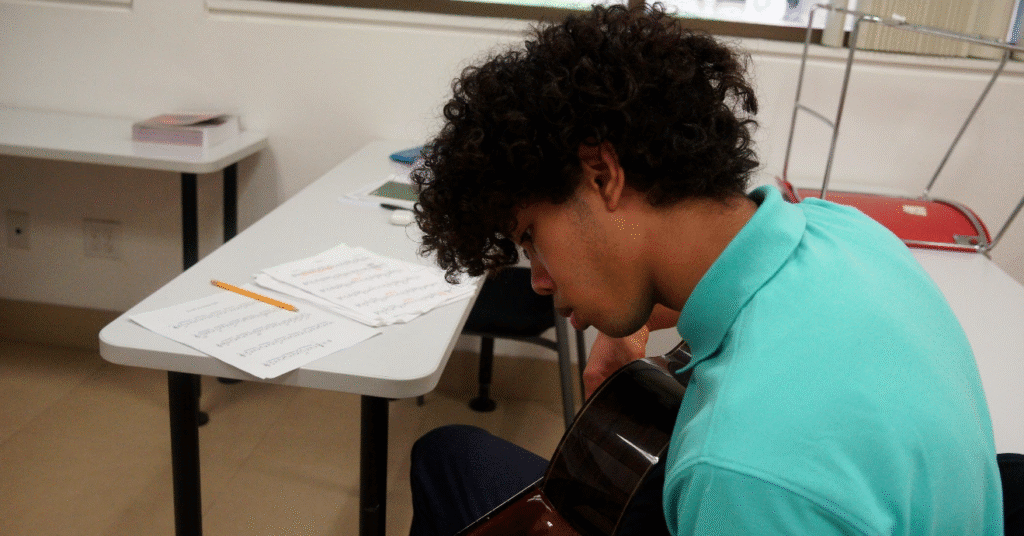
International Baccalaureate schools like AURA consider languages to be a key component of developing intercultural people: “As a requirement of the DP curriculum, every student learns at least one additional language” (IBO.org).…
International Baccalaureate schools like AURA consider languages to be a key component of developing intercultural people: “As a requirement of the DP curriculum, every student learns at least one additional language” (IBO.org). At AURA, we currently offer Arabic with plans to add Spanish this coming year.
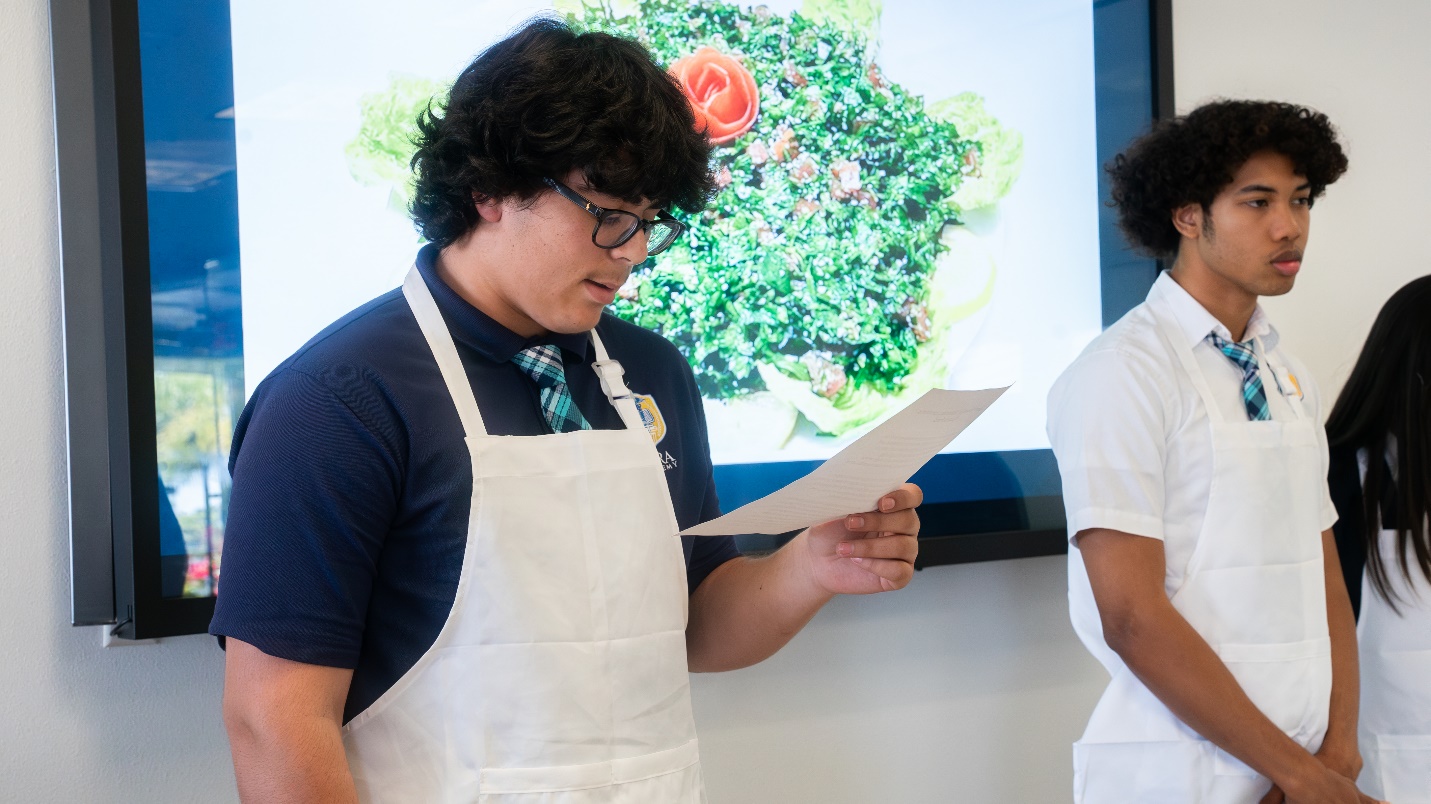
One of our students shared his experiences with learning Arabic, noting that it helped him understand Arabic culture better, enhanced his future employment opportunities, improved his cognitive skills, and enabled him to relate cross-culturally. These benefits highlight the significant value of learning a new language.
To truly understand another culture, it is important to learn its language. This helps us see the strengths and weaknesses of our own culture and become more open-minded by considering different ways to achieve life goals.
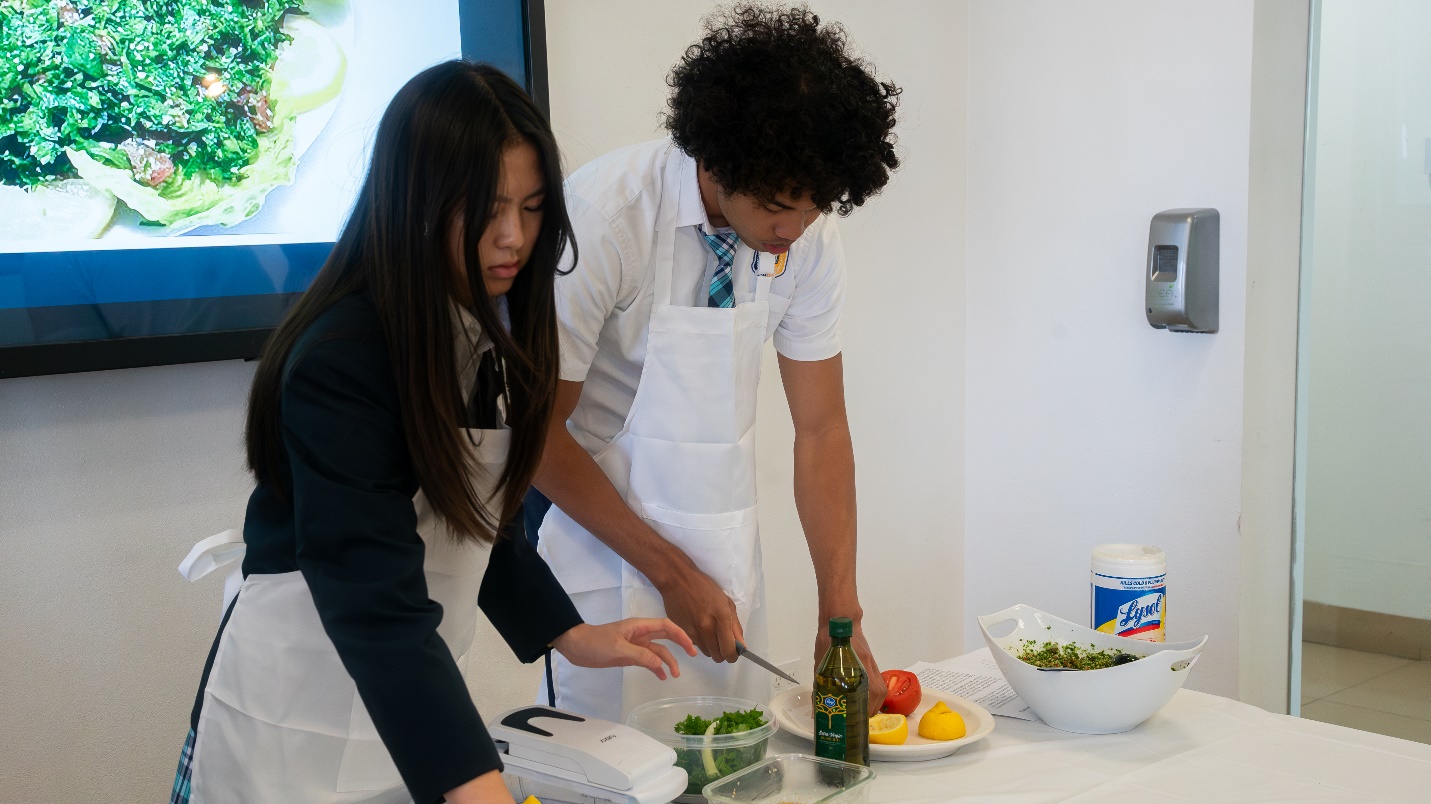
According to the Economist (Oct. 18, 2018), Arabic has 313 million speakers, is an official language of 25 countries, and is one of six official languages of the United Nations. As with understanding cultures in general, if we want to do business at more than a superficial level, we need to use the language of the businessperson.
Research by Viorica Marian and Anthony Shook in the journal Cerebrum (October 31, 2012) highlights the cognitive benefits of bilingualism. They found that bilingual individuals often have better attention and task-switching abilities because they can inhibit one language while using another. Bilingualism also offers benefits throughout life: young bilingual children can better adjust to environmental changes, and bilingual seniors may experience less cognitive decline.
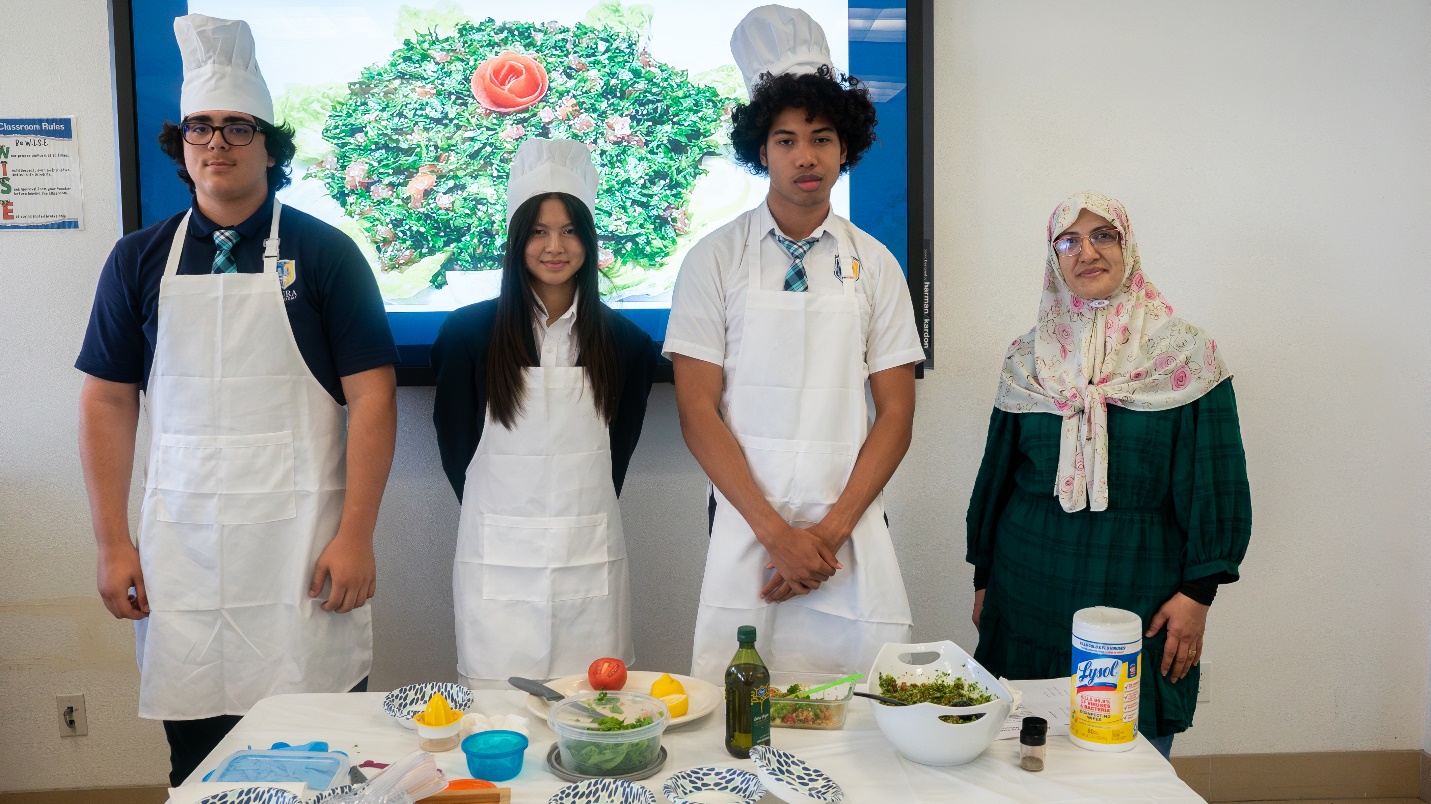
In our diverse society, cross-cultural communication skills are essential. For example, in nursing, culturally competent care is linked to improved patient outcomes. Understanding and addressing cultural factors that influence health behaviors, treatment adherence, and health disparities enable nurses to design more effective care plans and interventions (nurses.co.uk). By becoming bilingual, our students are becoming better communicators and thinkers, contributing to building a better world.
At AURA, we are committed to equipping our students with the skills needed to thrive in a globalized world, and our focus on language learning is a vital part of this mission.
American University Research Academy is celebrating a significant milestone as it secures accreditation as an International Baccalaureate (IB) World School. This designation paves the way for the school to offer students the…
American University Research Academy is celebrating a significant milestone as it secures accreditation as an International Baccalaureate (IB) World School. This designation paves the way for the school to offer students the prestigious IB Diploma Programme.
The IB Diploma Programme is renowned for its rigorous and comprehensive curriculum, tailored for college-bound and highly motivated students. By adhering to international standards, this program equips students with a breadth of knowledge and skills essential for thriving in today’s global landscape.
Students embarking on this journey will undergo a challenging two-year program during their junior and senior years. The successful completion of the program not only awards students the esteemed IB Diploma but also opens doors to college and university credits. This recognition underscores American University Research Academy‘s commitment to fostering academic excellence and preparing students for future success.
Beyond academics, the program aims to cultivate intellectual, personal, emotional, and social skills crucial for navigating an increasingly interconnected world.
In securing IB accreditation, American University Research Academy joins a distinguished global community comprising 5,000 schools across 150 countries.
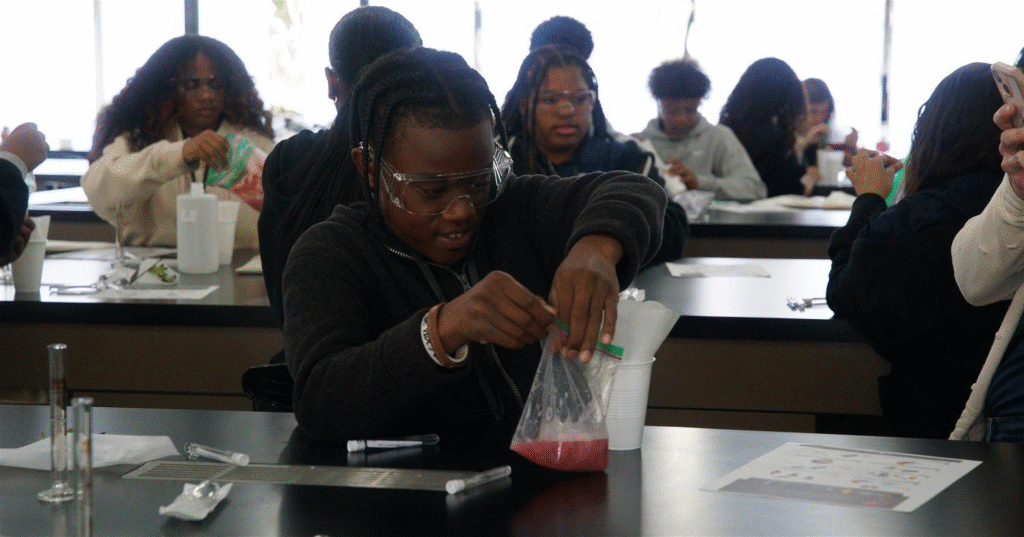
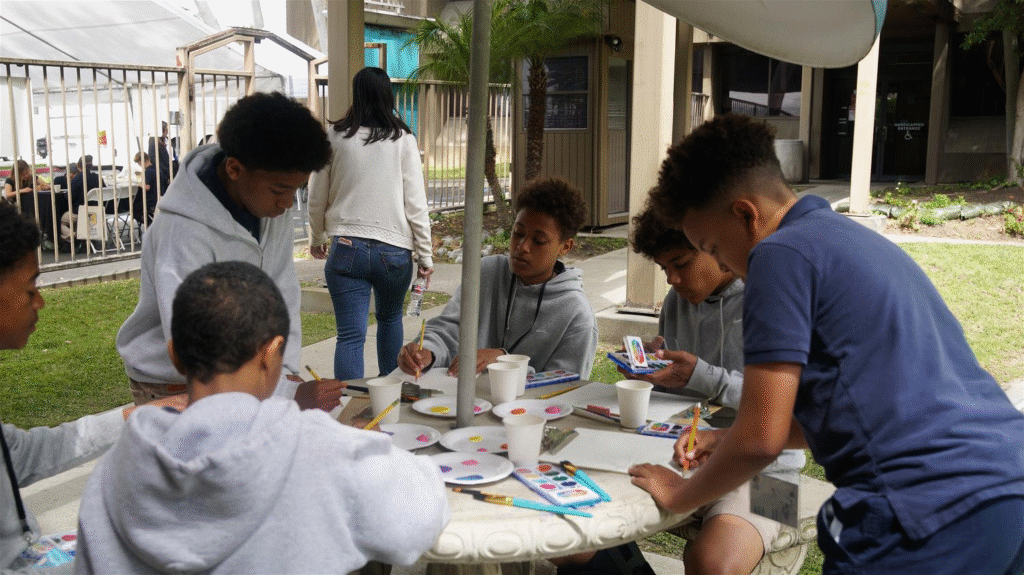
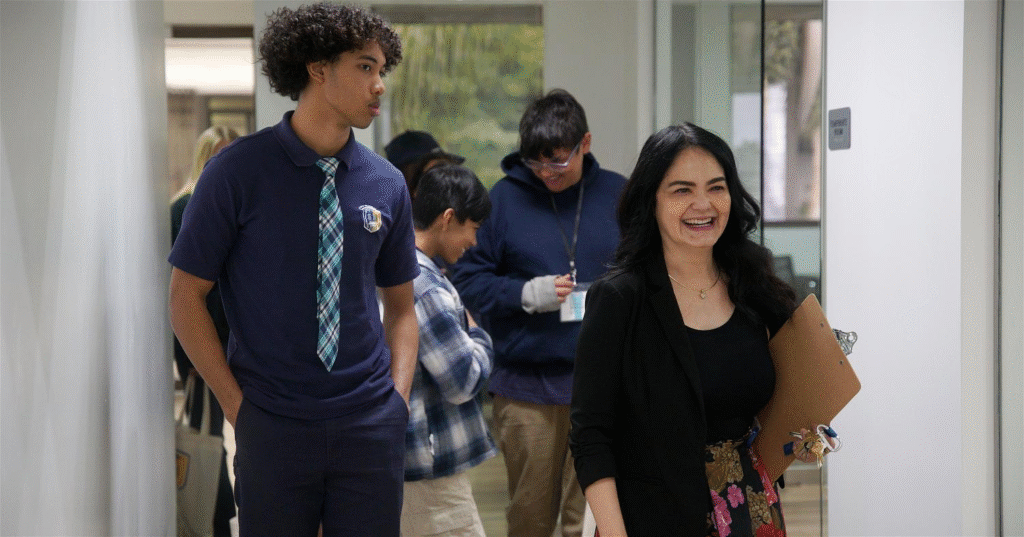
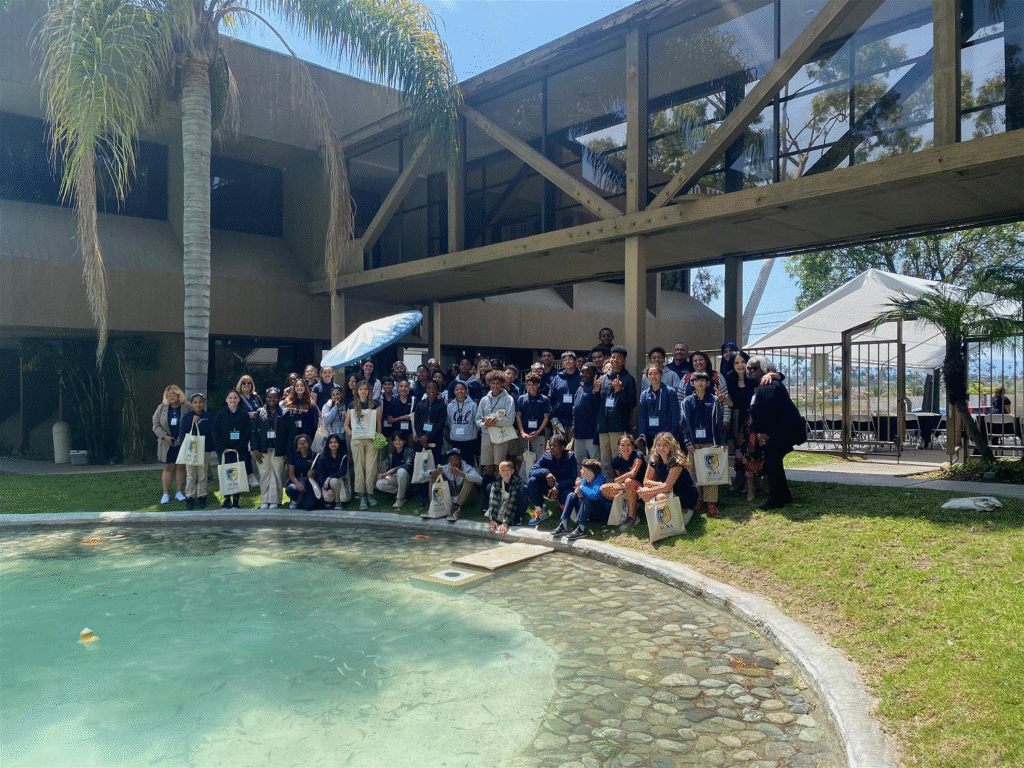
The AURA’s 2nd Open House held last 19th of April was a success! Amazing job to our teachers, students, and leadership team who made it possible!
The AURA’s 2nd Open House held last 19th of April was a success! Amazing job to our teachers, students, and leadership team who made it possible!
MAY Highlights IB Diploma Programme Visit on May 7 & 8. May 13-17 is Teacher’s Appreciation Week! It’s your chance to honor and celebrate the dedication of teachers with a token of…
MAY Highlights
- IB Diploma Programme Visit on May 7 & 8.
- May 13-17 is Teacher’s Appreciation Week! It’s your chance to honor and celebrate the dedication of teachers with a token of gratitude for their hard work all year long.
- 2nd Student Led Conference on May 31.
What: Tennis Camp for kids K-6th(An IB Grade 9 Student along with her friends organized a Tennis Camp to raise funds and donate to UNICEF as part of their Community Project)When: Weekends…
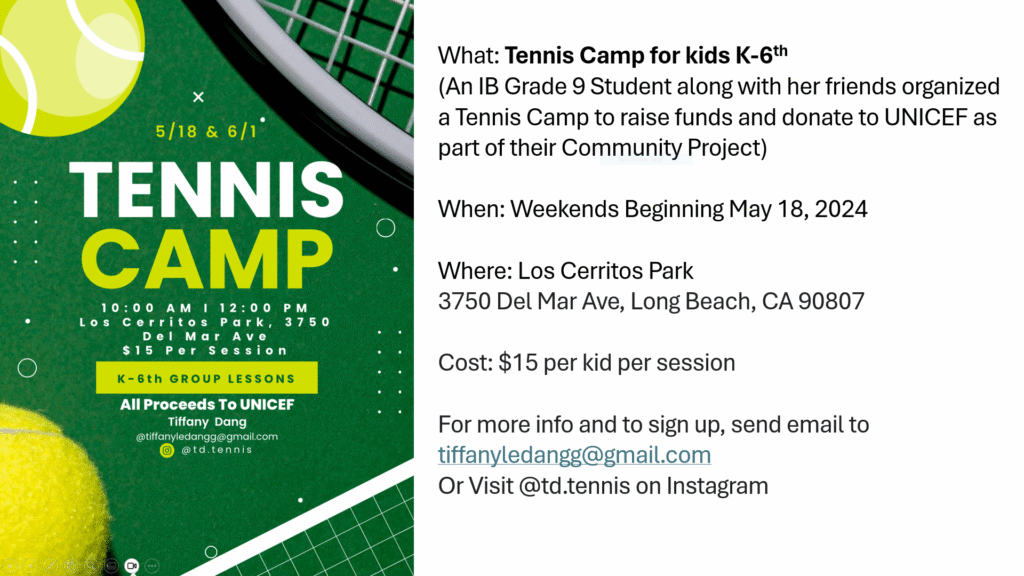
What: Tennis Camp for kids K-6th
(An IB Grade 9 Student along with her friends organized a Tennis Camp to raise funds and donate to UNICEF as part of their Community Project)When: Weekends Beginning May 18, 2024Where: Los Cerritos Park
3750 Del Mar Ave, Long Beach, CA 90807
For more info and to sign up, send email to tiffanyledangg@gmail.com or visit @td.tennis on Instagram
Personalized Thank You cards, Flowers, and small gifts go a long way in showing appreciation! Teaching supplies like nice pens! Gifts a teacher can use every day beyond pencils and books like…
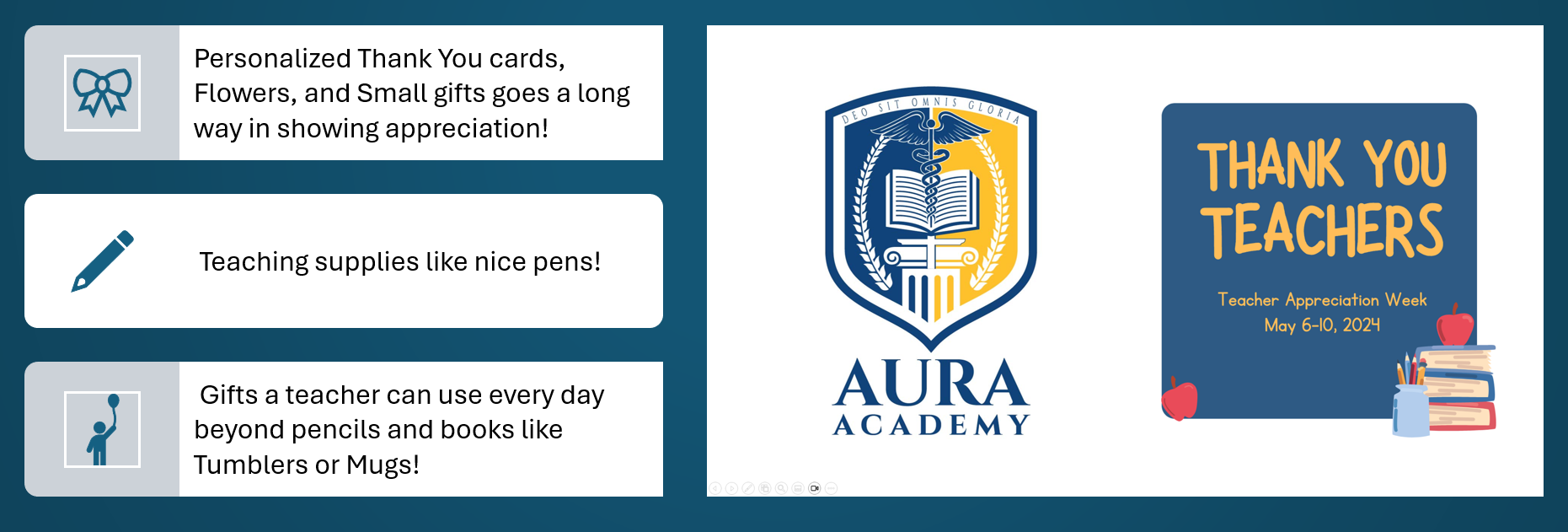
- Personalized Thank You cards, Flowers, and small gifts go a long way in showing appreciation!
- Teaching supplies like nice pens!
- Gifts a teacher can use every day beyond pencils and books like Tumblers or Mugs!
AURA Academy values creative thinking as much as critical thinking. Both are needed to prepare students to effectively solve problems in the changing environment of the 21st century. In a recent interview…
AURA Academy values creative thinking as much as critical thinking. Both are needed to prepare students to effectively solve problems in the changing environment of the 21st century. In a recent interview with our gifted visual arts teacher, Kate Lyons Landry (katelyonslandry.com), she noted that:
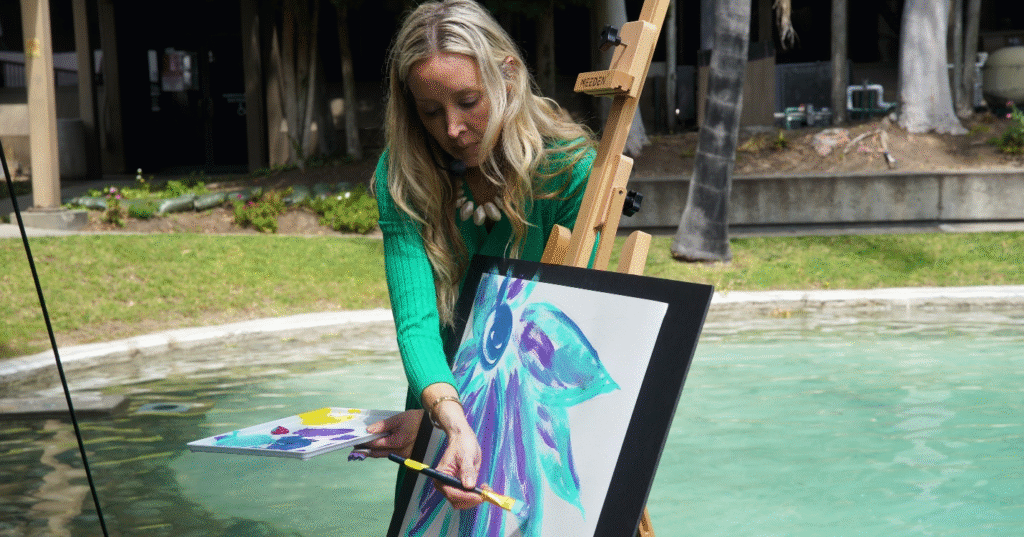
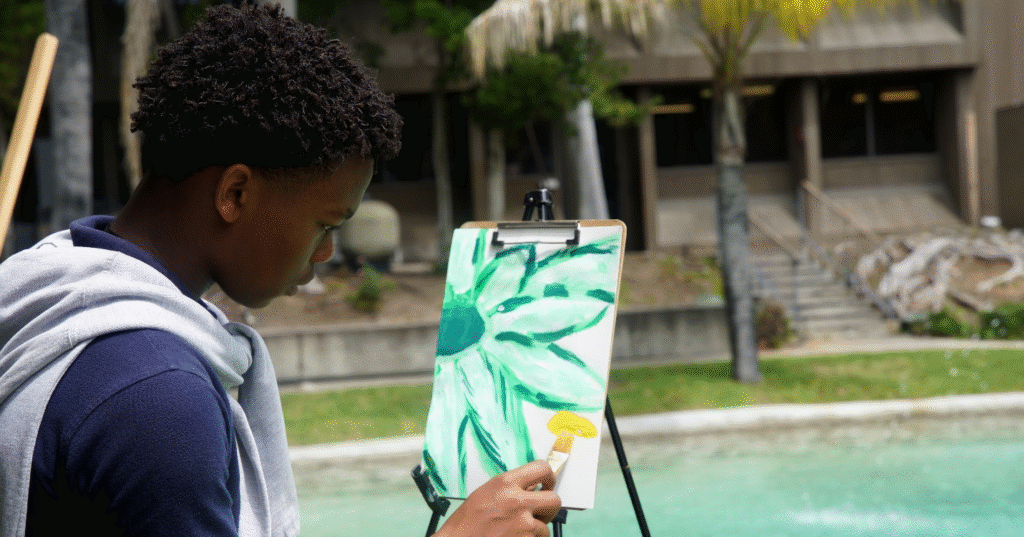
AURA students work to develop visual concepts and language for representing creative ideas. Technical skill, observation and conceptual strength are the key concepts addressed. Their hands-on instruction in a studio environment encourages individual expression, artistic experimentation, and innovative growth.
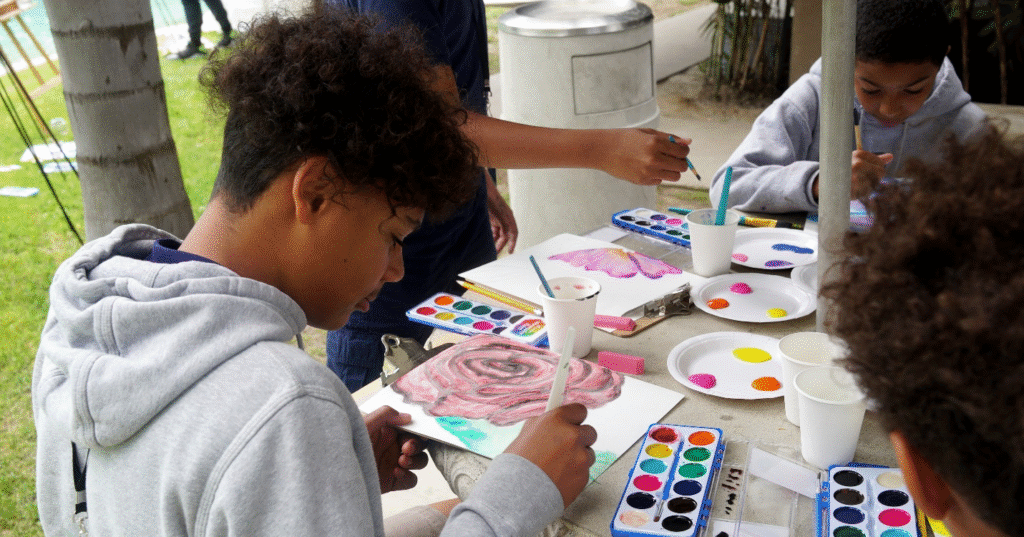

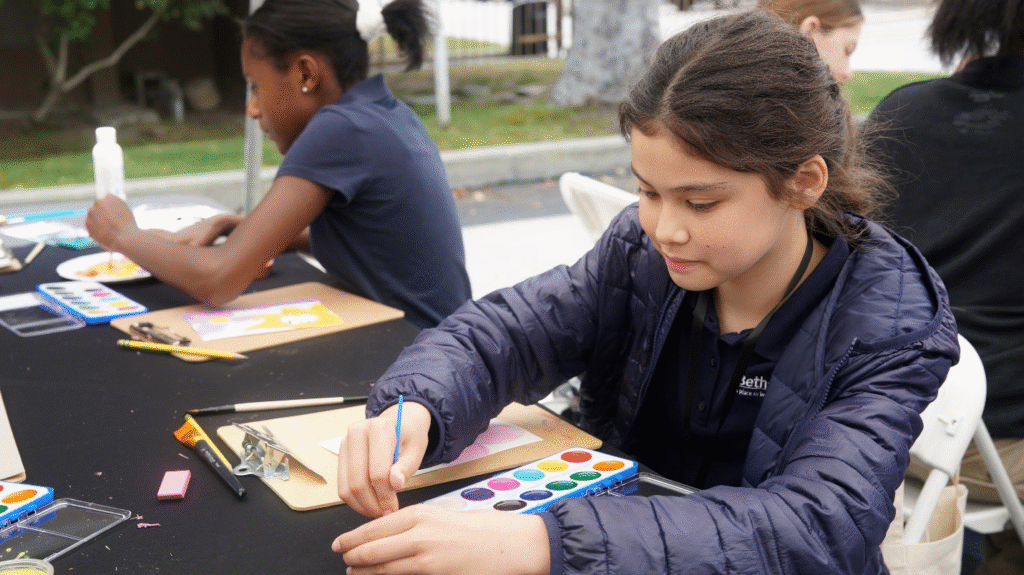
To express a creative idea properly requires training. Trained observation in a variety of disciplines is foundational for appropriately analyzing problems. Discussion and critiquing are essential for refining creative solutions and turning them into successful solutions. Regarding this point, Ms. Landry noted:
Collaboration and communication are essential to the creative process. Conceptual concepts, aesthetic challenges, reinforced formalized language, articulated thinking are the backbone of class critiques.
Contact AURA Academy to enroll your student in a school that develops creative and critical thinking.
Dr. Brent Davis, Dr. Caroll Ryan, Dr. Marilyn Uvero Education is a transformative journey, and high school students often find themselves at the crossroads of choosing the right academic path. In the…
Dr. Brent Davis, Dr. Caroll Ryan, Dr. Marilyn Uvero
Education is a transformative journey, and high school students often find themselves at the crossroads of choosing the right academic path. In the ever-evolving landscape of high school education, the choice between academic programs becomes a pivotal decision for students aspiring to thrive in a globally interconnected world. Among the myriad options, the International Baccalaureate (IB) program emerges as a beacon of academic excellence, offering a holistic and comprehensive approach that goes beyond the confines of traditional subject boundaries. Education is expected to address societal needs. In comparing the IB with the Advanced Placement (AP) Examinations, one needs to keep in mind that within the overall purpose of improving education, the specific goals and outcomes are different. The AP program was a response to the perceived advantage of the Soviet education system in science compared to the United States while the IB program was a response to the needs of diplomatic corps children for a curriculum that prepared international students for a broad range of education with a desire for strong intercultural communication (A Complete History of AP Classes and Controversies (prepscholar.com)).
The IB program stands out for its commitment to a holistic curriculum, encompassing six subject groups including languages, social studies, experimental sciences, and mathematics along with the Theory of Knowledge (TOK), Extended Essay (EE), and Creativity, Activity, Service (CAS) components. This comprehensive approach encourages students to explore the interconnectedness of knowledge across various disciplines. Where the AP program focuses on specialized subjects, the IB curriculum fosters a well-rounded education that prepares students for the complexities of a diverse and interconnected world.
IB places a strong emphasis on the development of critical thinking skills and international-mindedness. Beyond academic achievement, the IB program places a significant focus on personal development through the Extended Essay and Creativity, Activity, Service components.
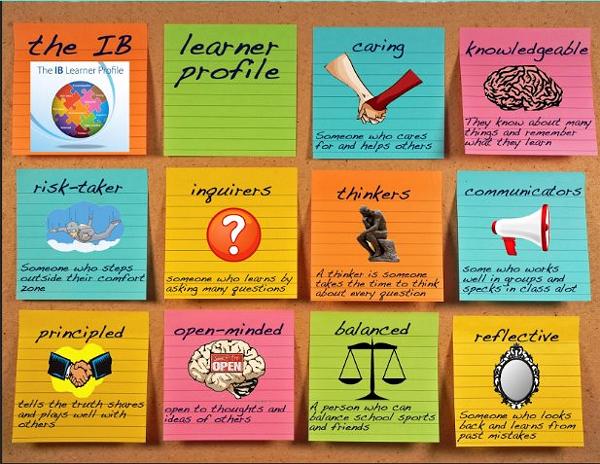
An International Baccalaureate (IB) learner is a dynamic and intellectually curious individual who embodies the core values and principles of the IB program. These learners are characterized by a unique set of qualities that go beyond academic excellence, reflecting a commitment to holistic education and the development of a global perspective. The IB Learner has an inquisitive mindset, is open-minded, is a critical thinker, has a balanced approach to nurturing both academic and personal growth, and is reflective of their own strength in the face of challenges. The IB learner is a global citizen who recognizes their interconnectedness with the world. They appreciate diverse cultures, understand global issues, and are committed to making a positive impact (Learner profile for IB students – International Baccalaureate® (ibo.org).
IB programs emphasize collaboration; AP courses are good for self-study. Both require considerable effort. According to Kristen Mariotti, an expert on college preparation, colleges seem to have a slight preference for IB graduates as their courses are more like university ones. IB courses develop academic skills on a variety of content (often highly individualized) while AP courses all have exactly the same content.
In the landscape of high school education, both the International Baccalaureate and Advanced Placement programs stand as beacons of academic excellence. The IB program, with its holistic approach and international perspective, appeals to students seeking a comprehensive educational experience. On the other hand, the AP program offers a specialized, subject-focused path.
Ultimately, the choice between IB and AP depends on individual preferences, learning styles, and future aspirations.
In considering how best to prepare your student for college, do not neglect to consider the values of the school. American University Research Academy (AURA) is an IB Accredited school in Signal Hill, California that emphasizes Judeo-Christian values and beliefs. According to Jennifer Herrity, a career coach, employers are looking for good work ethics skills such as the core values of AURA and the IB program.
By Brent Davis, PhD Professor of General Education, American University of Health Sciences, Signal Hill, CA. Most parents want to send their children to a great high school. But what makes a…
By Brent Davis, PhD
Professor of General Education,
American University of Health Sciences, Signal Hill, CA.
Most parents want to send their children to a great high school. But what makes a high school great? A great high school is characterized by a combination of factors that contribute to a positive and enriching educational experience for students. Some factors are nearly universal: effective teaching, a student-centered approach, a caring attitude, character building, and college/career readiness. A great high school continually strives to provide a well-rounded and holistic education that prepares students both academically and socially, spiritually, and emotionally for the challenges and opportunities of adulthood. It promotes a culture of excellence and continuous improvement to empower students to reach their full potential.
When our children were starting school (some 30 years ago), one of our concerns, even 30 years ago, was to find a school where a caring attitude was prioritized. Since this was difficult to find in the region of the world we were in, one of the main motivations for a group of us, expatriate parents, was to start an international school. Another priority was to make sure that Christian beliefs and values were fostered. We were Christians in a country still run on atheist beliefs and values. Finally, most of our children would be going to universities in our home countries where English would be the language of instruction and high levels of skill in reading and writing English would be needed. So, we started a Christian, English-medium, international school.
While our situation more than 30 years ago was somewhat unique, these general concerns of caring, character, and skills are even more true today and are likely of concern to you as well. These are the reasons for establishing International Baccalaureate (IB) schools in general and American University Research Academy (AURA: an IB Accredited school) in particular. IB schools prepare students for success in a rapidly changing world and promote values of inquiry, knowledge, empathy, and responsibility. The IB schools grew out of the need for a curriculum that would be accepted for admissions at universities in many countries. But it was also fueled by a desire to foster respect and compassion among people from different backgrounds. Today, over 5000 universities in 100 countries accept the IB diploma, including UCLA, Brown, University of Chicago, University of Cambridge (UK), University College London, University of St. Andrews (UK), Macquarie University (Australia), McGill University (Canada), Free University of Berlin, University of Bologna (the oldest university in the world), and the University of Tokyo. Some universities will award college credit for high scores on IB examinations, including UCLA. Graduates of AURA Academy will be awarded substantial general education credits at the American University of Health Sciences (AUHS), leading to an accelerated Bachelor of Nursing or Doctor of Pharmacy degree. It is even possible that an AURA graduate could achieve a Nurse Practitioner MSN at AUHS at about the same time as most students are just completing a bachelor’s degree at another institution (with a regular diploma from another high school).
However, IB schools are not just interested in academics; the IB learner profile stresses character as well: inquirers, knowledgeable thinkers, communicators, principled, open-minded, caring, risk-takers, balanced, and reflective. Additionally, IB students are “more culturally aware through the development of a second language” and “able to engage with people in an increasingly globalized, rapidly changing world” (https://www.ibo.org/benefits/benefits-for-students/). For AURA, in particular, faith is an essential component, and weekly Bible studies are a critical extracurricular component of the school.
Caring, also, is not just an IB value but is demonstrated at AURA by our small class sizes, ensuring that every student is treated as an individual and listened to with respect. Our teachers are as compassionate as they are academically qualified. If you are looking for a caring, character-building school with high academics, look for an IB school. If you are also looking for strong Christian values and a well-rounded curriculum, including health sciences, consider AURA in Signal Hill, CA. They accept students year-round at the beginning of each quarter.
A university education is an expensive, time-consuming proposition. Making the jump from high school to university can also be challenging. What if you could get university credits in high school (at high…
A university education is an expensive, time-consuming proposition. Making the jump from high school to university can also be challenging. What if you could get university credits in high school (at high school prices), save a year or more of university time, and become familiar with university life in the process? If that sounds too good to be true, it’s what every student at AURA Academy experiences. Over the course of four years, American University of Health Sciences (AUHS) allows AURA students to take actual university courses taught by university professors. In addition, doing well on International Baccalaureate (IB) examinations in regular AURA high school courses may result in additional course credits at many universities.
Q: How can my children get college credit at AURA?
A: In some other high schools, students must take summer classes or evening classes at a community college to get college credits; however, at AURA IB high school, students are able to take AUHS college courses during school time, and if they pass, they can transfer credits to a university later. If they attend AUHS, there is no need to transfer; the courses are credits of AUHS.
Q: How many credits can my children transfer to university after graduation from AURA IB high school?
A: After graduation from AURA IB high school, students can transfer science credits as well as pre-requisite credits for PharmD (Doctor of Pharmacy), BSN (Bachelor of Science in Nursing), BSPS (Bachelor of Science in Pharmaceutical Sciences) as well as many other General Education credits such as History, Political Science, Art, Sociology, Business, Micro/Macro Economics… California law allows a dual enrollment program to offer up to two years of university.
Q: How much time could my children save for university?
A: AURA IB high school graduates may be able save 1 – 1.5 years toward completing a bachelor’s degree.
Q: How much money could be saved from university tuition?
A: The cost of college credits earned during a student’s attendance at AURA is included in the high school tuition fee. Students don’t have to pay additional cost for college credits. With the many credits transferred, relevant costs of those credits are saved. There are also potential room and board savings as well due to the reduction of time to complete a bachelor’s degree.
Q: How are these college classes taught at AURA?
A: AURA is inside the AUHS campus. Classes are taught by AUHS professors.
The College Credit program at AURA specifically prepares students for health sciences professions but addresses the general education requirements of most universities as well. Graduates of AURA achieve advanced standing in the health sciences programs at AUHS. An IB education with College Credit courses means substantial time and cost savings for students who attend AURA Academy.
By Brent Davis, Eddie Vargas, and Ryan Papazian AURA Academy follows the International Baccalaureate (IB) framework of education. You can learn more about the IB program at ibo.org. The IB framework breaks…
By Brent Davis, Eddie Vargas, and Ryan Papazian
AURA Academy follows the International Baccalaureate (IB) framework of education. You can learn more about the IB program at ibo.org. The IB framework breaks down education into eight subject groups: language and literature, language acquisition, sciences, mathematics, art, physical and health education, and design. Previously, we examined the mathematics curriculum. Let us look at language and literature now.
The ability of humans to assign symbols to concepts and then to combine these symbols into representations of innovative, complete thoughts is one of the distinguishing characteristics of humans. Through writing we are able to keep a record of the thoughts of our ancestors, creating a body of literature. In the last century, people further developed the ability to record sound and visuals, creating film and recordings of live theatre. In order to prepare our students to create and engage critically with language and literature, the Middle Years Program (MYP) develops the skills of reading, writing, listening, speaking, viewing, and presenting. Along with critical and creative thinking skills, these skills develop strong communicators able to develop, evaluate, and appreciate literature in different genres.
Assignments in the IB framework focus on student inquiries focused on core concepts and a stated context for unit. To complete the assignment successfully, students need to collaborate, develop time management, a work ethic, and attention to detail. These assignments are connected to real world situations and are evaluated according to stated rubrics. Technology and differentiation are used to ensure that each student masters 21st century communication skills and receives a personalized mode of instruction.
Personalized learning is also tied to the IB learner profile which describes the type of graduate AURA is preparing. IB graduates are expected to be inquirers, knowledgeable, thinkers, communicators, principled, open-minded, caring, risk-takers, balanced, and reflective. Each student and teacher reflects on how he or she can improve in these areas and tailors activities to cultivate areas that need improvement. Thus, the teachers lead by example, and model the self-directed learner skills that create an AURA life-long learner. AURA graduates are fully prepared for college and the challenges of life.
AURA: IB Mathematics—Numbers for Life By Eddie Vargas, Ryan Papazian, and Brent Davis What is the connection between your sleep and your health? Compute the correlation coefficient for the data in Table…
What is the connection between your sleep and your health? Compute the correlation coefficient for the data in Table A. Which of these two is of more interest to you? Probably the first question. Did you even note that the connection between health and sleep could be expressed as a correlation?
In an IB math class, such as at AURA high school in Signal Hill, students are expected to use mathematical operations to answer life questions. This inquiry approach creates more interest and helps students to see the use of mathematics in the real world. The AURA Middle Years Program (MYP) develops skills and concepts, treats students as individuals, applies learning to service, and prepares them to transition to the Diploma Program.
Course Concepts
As students progress through the Middle-Years Program they will develop key foundational and soft skills, which help build the framework of the IB program. IB rewards students for their collaboration, communication, and presentation abilities. These foundational and soft skills will prepare them for the projects required in the last two years of their high school careers, when they are part of the Diploma Program.
AURA will implement mathematics from the International Baccalaureate (IB) Program. In the IB Math course, each unit will feature a single Key Concept, and one or more Related Concepts. In addition to the concepts taught in class, AURA mathematics will also feature a Global Context, or theme, in which students can apply math to real-world scenarios and experiences! IB Mathematics will also include the following aspects of math: Form (any visual representation of math), Logic (critical thinking applied to formulas and their processes) and Relationships (functions and relationships in different forms of math).
Personalized Service Learning
AURA will feature a significantly lower student-teacher ratio compared to the national average, allowing our students to receive more care and attention from their instructors. Teachers not only build Individual Learning Plans (ILPs) for every student, but also care for and manage each student optimally! The different ways students learn will be identified and used to help them succeed in their own way. During each class session, students are provided a statement of inquiry related to the course material from which they derive questions like the one we began the article with.
Students will be assessed in conventional ways, but also, they will give presentations on the research they did to answer their questions. Another key aspect is that students will apply their learning to service opportunities, connecting values and skills in authentic learning experiences that serve the community.
Middle Years to Diploma Program Transition
The International Baccalaureate (IB) provides a comprehensive educational framework for students transitioning from the Middle Years Program (MYP) to the Diploma Program (DP). The mathematics curriculum in the MYP focuses on developing students’ mathematical understanding, problem-solving skills, and critical thinking abilities. Key features of MYP Mathematics include conceptual understanding, real-world applications, inquiry-based learning, holistic development, and assessment. This foundation prepares students for the Diploma Programme (DP) Mathematics which is more specialized and rigorous, but still differentiates course concepts to suit student abilities and interests. Examples of mathematical concepts covered in DP Mathematics: Analysis and Approaches include sequence and series, proofs, differential and integral calculus, probability and statistics, and linear algebra. As a Christian, IB high school in the Long Beach area, AURA is committed to providing the STEAM curriculum necessary to prepare our students for success in the health sciences and any area using mathematics.
When considering a high school, academic rigor is a key consideration because, to get into good universities, one needs to demonstrate superior academic qualifications. It would be even better if those qualifications…
When considering a high school, academic rigor is a key consideration because, to get into good universities, one needs to demonstrate superior academic qualifications. It would be even better if those qualifications were translated into college-level credits saving students (and families) considerable time and money. By the end of this school year in June, AURA students will have earned college credit courses in Microbiology, Chemistry, Anatomy and US History! Aura Academy students attend college classes on campus at American University of Health Sciences (AUHS). With its small class sizes and experienced teachers, students do not get lost as they might in a large university class.
Our current students have already earned college credits, no expensive AP® examination required. Wouldn’t your student benefit from this curriculum as well?
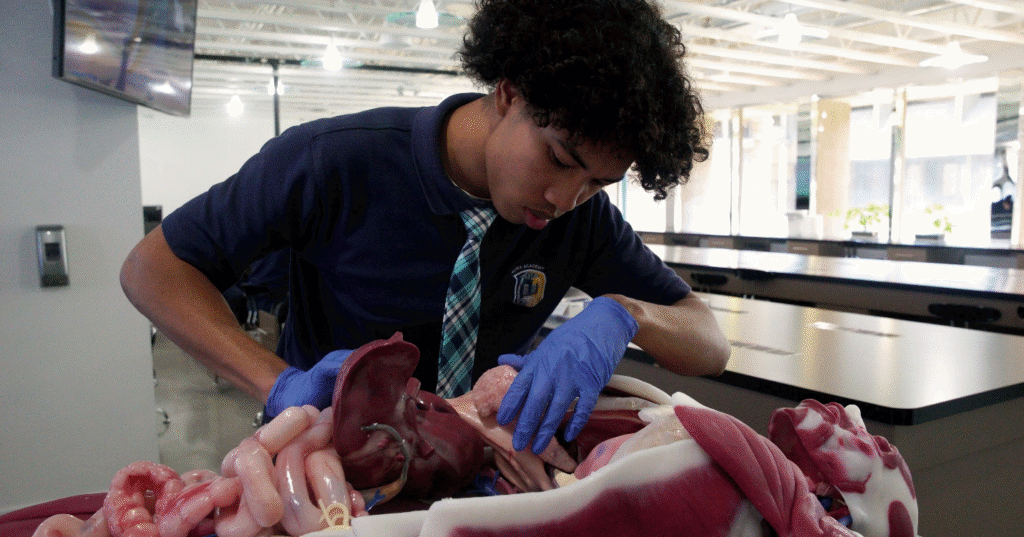
AURA student in Anatomy Lab using SynDaver
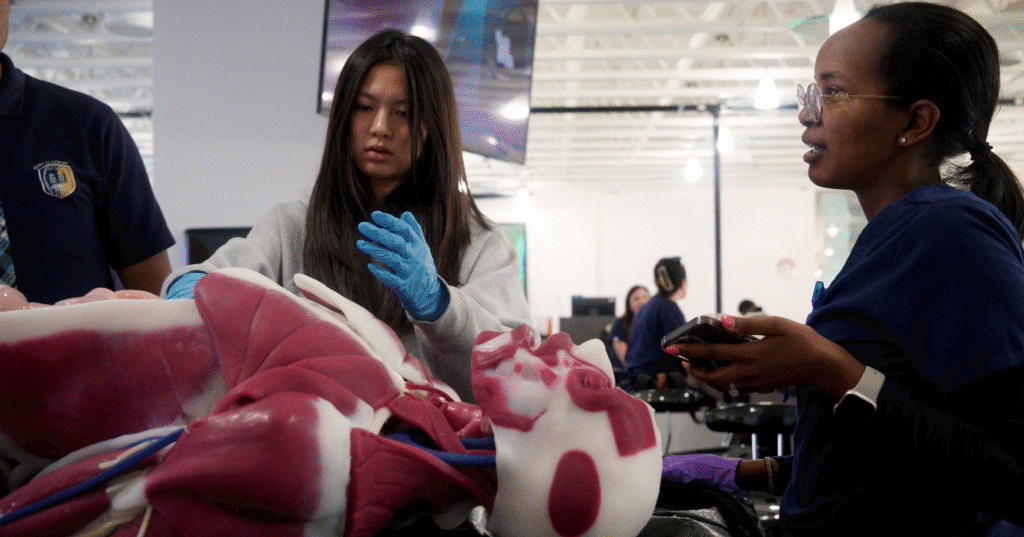
AUHS students and AURA students together in Anatomy lab session
No news is currently available in this topic.
-

AURA Visual Arts students visited the Carolyn Campagna Kleefeld Contemporary Art Museum and viewed the current exhibit “Solastalgia” including work from Velia De Iuliis, Saif Azzuz and installation art from…
-

AURA Academy Is Now an Official MYP IB World School! We’re thrilled to announce that AURA Academy is now an authorized International Baccalaureate (IB) Middle Years Programme (MYP) World School! This…
-
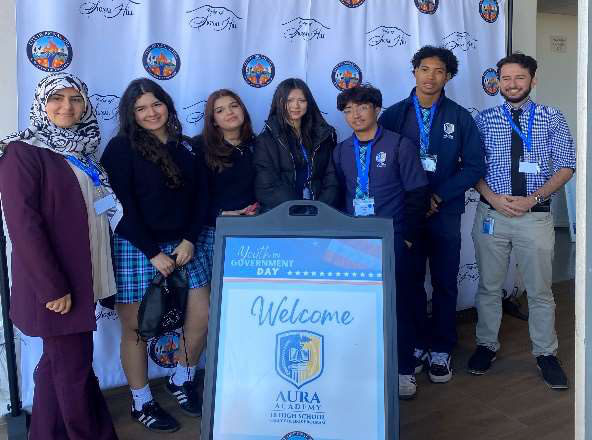
♣STUDENT SPOTLIGHT: Youth in Government Day at Signal Hill City Hall! On April 1st, a group of our outstanding students had the exciting opportunity to participate in Signal Hill’s Youth in…
-
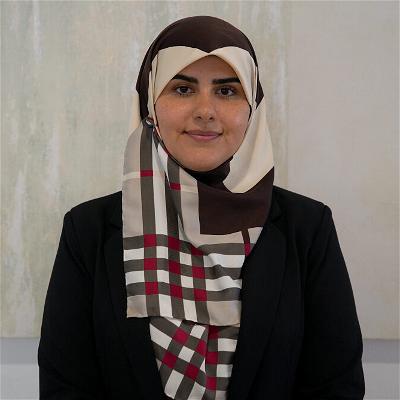
At the heart of the American University Research Academy (AURA) is Vice Principal Mina Hosseini, whose dedication and expertise have been instrumental in shaping the institution’s academic excellence. Academic and…
-
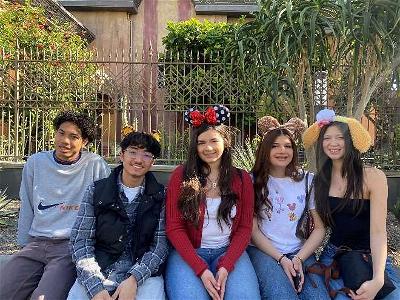
Newsletter March 2025 What’s happening in AURA Valentine’s Building Décor – Students showcasting their creativity in decorating the AURA building for valentines! February is Hearts Day! – AURA Students expressed their love…
-

Newsletter February 2025 What’s happening in AURA? 🎶 Exciting News! 🎶 We are thrilled to share that our very own Grade 11 student, Alexander Johnson has had his music piece selected to…
-

By Brent Davis and Mohammed A. Masnadi-Shirazi, PhD AURA’s education seeks to develop learners who understand the world, who understand people, and who have a relationship with God. If you…
-

By Brent Davis and Maher Oueida “What do I believe in? Why do I believe it? Are those reasons valid?” These are some of the central questions explored in the…
-
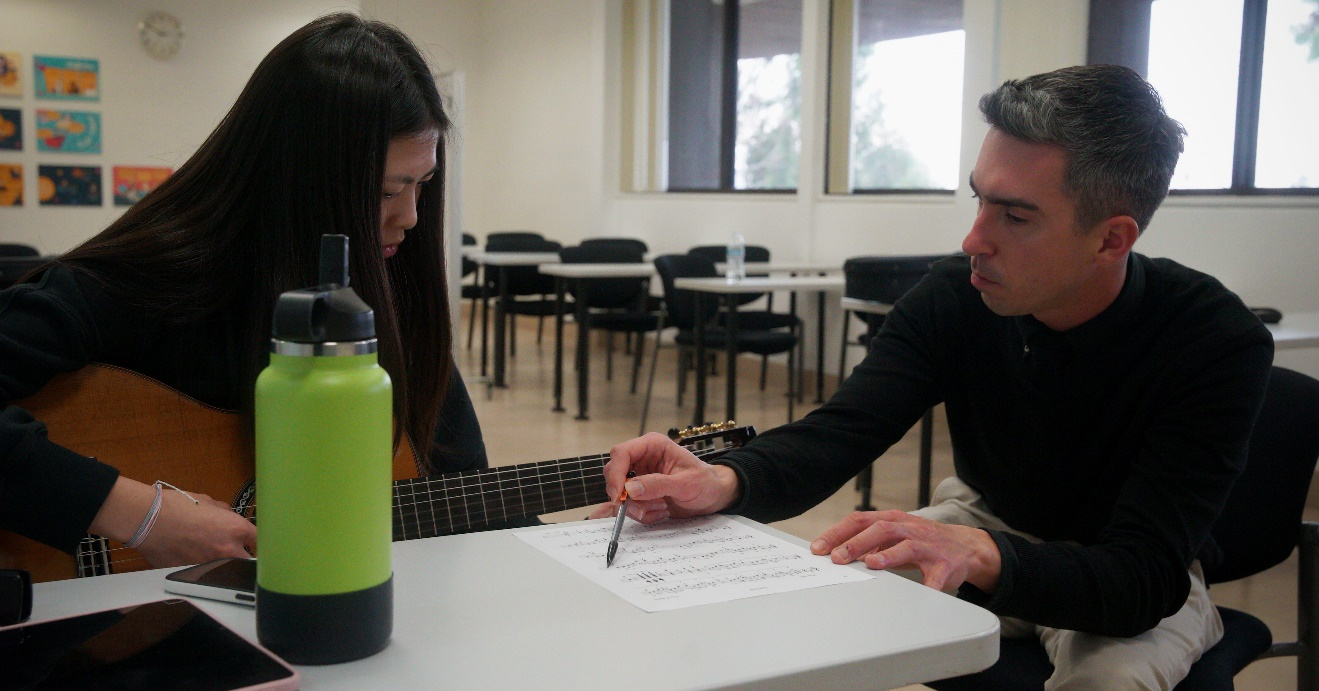
By Grygorii Koval and Brent Davis The music course at AURA provides students with a comprehensive understanding of music as both an art form and a tool for wellness. Students…
-

International Baccalaureate schools like AURA consider languages to be a key component of developing intercultural people: “As a requirement of the DP curriculum, every student learns at least one additional…